
What Dog Teeth Brushing During Grooming Involves
September 2026 • 7 min read
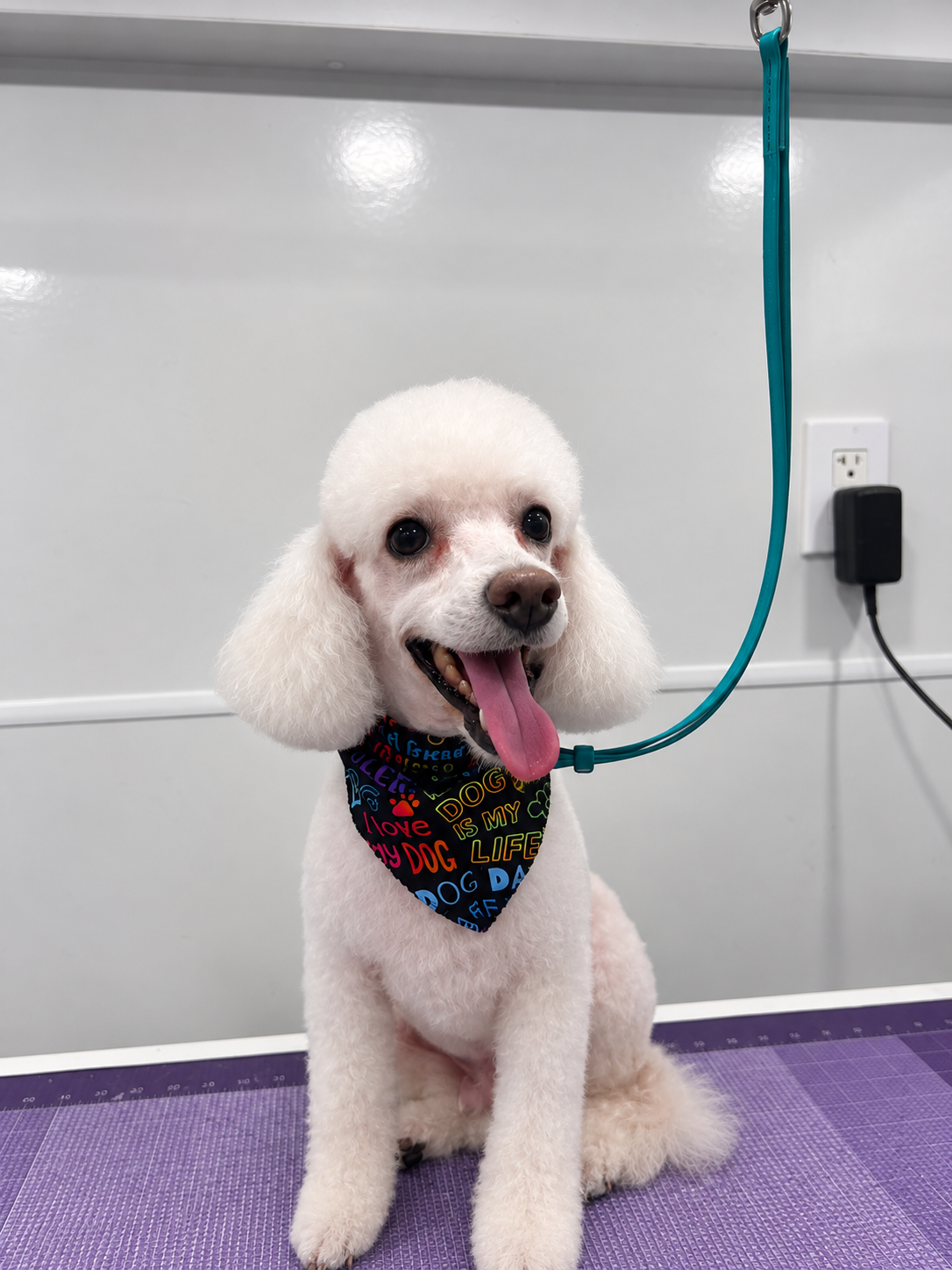
What teeth brushing during grooming involves, how it helps freshen breath and clean the tooth surface, and why it is not a substitute for veterinary dental care.
Teeth brushing during grooming is a gentle hygiene step that helps freshen your dog's breath and clean the tooth surface. At Oscar Pets Mobile, it is one of the eight individual services you can request alongside any grooming package. It is performed with a soft brush and dog-safe toothpaste, and it takes place in the calm, one-on-one environment of our mobile van. It is important to understand that grooming teeth brushing is not professional dental cleaning, tartar removal, or treatment for dental disease — those are veterinary procedures. This article explains what teeth brushing during grooming involves, what it does and does not do, and how to request it. We serve the area from Deltona to Kissimmee; call (407) 775-8865.
What Teeth Brushing During Grooming Includes
Teeth brushing during grooming is the gentle brushing of your dog's teeth using a soft brush and dog-safe toothpaste. The goal is to help freshen breath and clean the tooth surface as part of your dog's grooming hygiene routine. It is a comfort and hygiene step, not a medical procedure.
Here is what the service includes:
- Gentle brushing of the teeth with a soft brush.
- Dog-safe toothpaste formulated for pets.
- Performed in the calm, one-on-one mobile environment.
- Part of the grooming visit, not a standalone veterinary procedure.
See the teeth brushing page for the official details. Teeth brushing is an individual service, which means it is not automatically included in the grooming packages — you request it as an add-on.
Read our individual services overview to understand how individual services relate to the packages.
What Teeth Brushing Does
Teeth brushing during grooming helps freshen your dog's breath and clean the tooth surface. Regular brushing can help reduce the buildup of plaque on the teeth, which is a normal part of oral hygiene for dogs. It is a gentle, positive step that contributes to your dog's overall cleanliness and comfort.
The groomer uses a soft brush and dog-safe toothpaste. The toothpaste is formulated for dogs — never use human toothpaste, which can contain ingredients such as fluoride and xylitol that are harmful to dogs. Dog-safe toothpaste is designed to be safe if swallowed and often comes in flavors like poultry or malt that appeal to dogs.
The brushing is gentle and takes place at your dog's pace. The groomer focuses on the visible surfaces of the teeth, particularly the outer surfaces where plaque tends to accumulate most. The goal is a comfortable, positive experience that leaves your dog's mouth cleaner and breath fresher.
If your dog is not used to having their teeth brushed, the groomer can work slowly and let them get comfortable. The one-on-one mobile environment is calmer than a busy salon, which helps dogs who are sensitive about mouth handling. There are no other animals creating distractions or anxiety, so the groomer can focus entirely on your dog and adjust the approach based on how they respond. Read our guide on what to tell your groomer about your dog's oral-care routine.
It is worth understanding the difference between plaque and tartar. Plaque is a soft, sticky film that forms on teeth daily and can be reduced with regular brushing. If plaque is not removed, it can harden into tartar — a calcified deposit that bonds to the tooth surface and cannot be removed with a brush. Grooming teeth brushing helps with the plaque layer, but once tartar has formed, only a veterinarian can remove it with professional scaling. This is why consistent brushing, whether at home or during grooming, is most effective as a preventive measure.
What Teeth Brushing Is Not
It is important to understand what teeth brushing during grooming is not. It is not:
- Professional dental cleaning.
- Tartar removal or scaling.
- Treatment for dental disease, including periodontal disease or tooth decay.
- A substitute for veterinary dental care.
- A diagnosis of oral health problems.
- A replacement for anesthesia-based dental procedures.
Professional dental cleaning is a veterinary procedure that typically involves anesthesia, dental X-rays, scaling both above and below the gumline, polishing, and treatment of any disease the veterinarian finds. Grooming teeth brushing is a surface-level hygiene step that complements but does not replace veterinary dental care.
If your dog has dental issues — such as bad breath that does not improve, broken teeth, swollen gums, or difficulty eating — consult your veterinarian. These may be signs of dental disease that require professional treatment. Brushing teeth that are already painful or infected can cause discomfort, so it is important to have a veterinarian assess the situation first. Read our guide on dog teeth brushing and veterinary dental cleaning for the full distinction.
The groomer can observe and let you know if they notice anything unusual, such as visible tartar, red gums, or a broken tooth, but a groomer cannot diagnose the cause or recommend treatment. That is the role of your veterinarian. Think of the groomer's observations as a helpful heads-up, not a medical assessment.
How the Groomer Approaches Teeth Brushing
The groomer approaches teeth brushing gently and at your dog's pace. The process typically involves introducing the brush slowly, letting your dog get comfortable with the sensation, and brushing the teeth with soft, gentle motions. The groomer uses dog-safe toothpaste, which is formulated to be safe and appealing for dogs.
If your dog is nervous about mouth handling, the groomer can work slowly and take breaks. The goal is a positive experience, not a forced one. Patience is central to how we work at Oscar Pets Mobile.
The one-on-one mobile environment helps because there are no other animals creating distractions or anxiety. The groomer can focus entirely on your dog and adjust the approach based on how they respond. Read our article on why mobile grooming is ideal for nervous dogs.
Dog-Safe Toothpaste
The toothpaste used for grooming teeth brushing is formulated for dogs. It is different from human toothpaste, which can contain ingredients that are harmful to dogs — such as fluoride at concentrations not suitable for swallowing. Dog-safe toothpaste is designed to be safe if swallowed and often comes in flavors that appeal to dogs.
If your dog has allergies or sensitivities to certain ingredients, share that when you book. The team can discuss product options. Do not assume that every product is suitable for every dog.
If you brush your dog's teeth at home between grooming visits, use a dog-safe toothpaste and a soft brush. Ask your veterinarian for recommendations on home oral-care products. Read our guide on what to tell your groomer about your dog's oral-care routine.
How It Relates to the Grooming Packages
Teeth brushing is an individual service, which means it is not automatically included in the grooming packages. You can request it alongside any package — Bath Service, Mini Grooming, or Full Grooming.
For example, you might book Full Grooming and add teeth brushing to the visit. Or you might book Bath Service and add teeth brushing. The team confirms suitability and scheduling for the individual service.
Read our guide on one specific grooming need or a complete package to understand when to add individual services to a package. The team can help you plan which combination makes sense for your dog.
Signs Your Dog May Need Veterinary Dental Care
While teeth brushing during grooming helps with surface hygiene, certain signs indicate your dog may need veterinary dental care:
- Persistent bad breath that does not improve.
- Broken or loose teeth.
- Swollen, red, or bleeding gums.
- Difficulty eating or dropping food.
- Pawing at the mouth.
- Discoloration of the teeth.
If you notice any of these signs, consult your veterinarian. These may indicate dental disease that requires professional treatment. Grooming teeth brushing is not a treatment for these conditions.
Regular veterinary checkups are important for your dog's oral health. Your veterinarian can assess your dog's teeth and recommend professional dental care if needed. Grooming complements but does not replace veterinary care.
Frequently Asked Questions
What does teeth brushing during grooming involve?
It is a gentle brushing of your dog's teeth with a soft brush and dog-safe toothpaste. It helps freshen breath and clean the tooth surface as part of grooming hygiene.
Is teeth brushing the same as dental cleaning?
No. Grooming teeth brushing is a surface-level hygiene step. Professional dental cleaning is a veterinary procedure that may involve anesthesia, X-rays, and scaling below the gumline.
Is teeth brushing included in the packages?
No. It is an individual service you can request alongside any package — Bath Service, Mini Grooming, or Full Grooming.
Can teeth brushing treat dental disease?
No. It is not a treatment for dental disease. If your dog has dental issues, consult your veterinarian.
What toothpaste is used?
Dog-safe toothpaste formulated for pets. Never use human toothpaste, which can be harmful to dogs. If your dog has allergies, mention that when you book.
What if my dog is nervous about mouth handling?
Share that when you book. The groomer works at your dog's pace in the calm one-on-one mobile environment.
How do I request teeth brushing?
Mention it when you book a grooming visit. Share your dog's breed, temperament, and oral-care notes. The team confirms suitability and scheduling.
What signs indicate my dog needs veterinary dental care?
Persistent bad breath, broken or loose teeth, swollen or bleeding gums, difficulty eating, pawing at the mouth, or tooth discoloration. Consult your veterinarian if you notice these. Grooming teeth brushing is a hygiene step, not a treatment for dental disease.
Ready to Discuss teeth brushing?
Want to add teeth brushing to your dog's grooming visit? Contact Oscar Pets Mobile at (407) 775-8865 or send an appointment request. Our team will discuss your dog's needs, confirm suitability, and provide a personalized quote.
This article provides general grooming education and does not replace advice from your veterinarian. Grooming needs and product suitability vary by pet. Contact Oscar Pets Mobile to discuss your dog's needs and appointment availability.

Request a Grooming Appointment
Call us at (407) 775-8865 or visit our contact page to send a request.
Go to Contact Page