
Dog Teeth Brushing and Veterinary Dental Cleaning: Understanding Their Different Roles
September 2026 • 7 min read
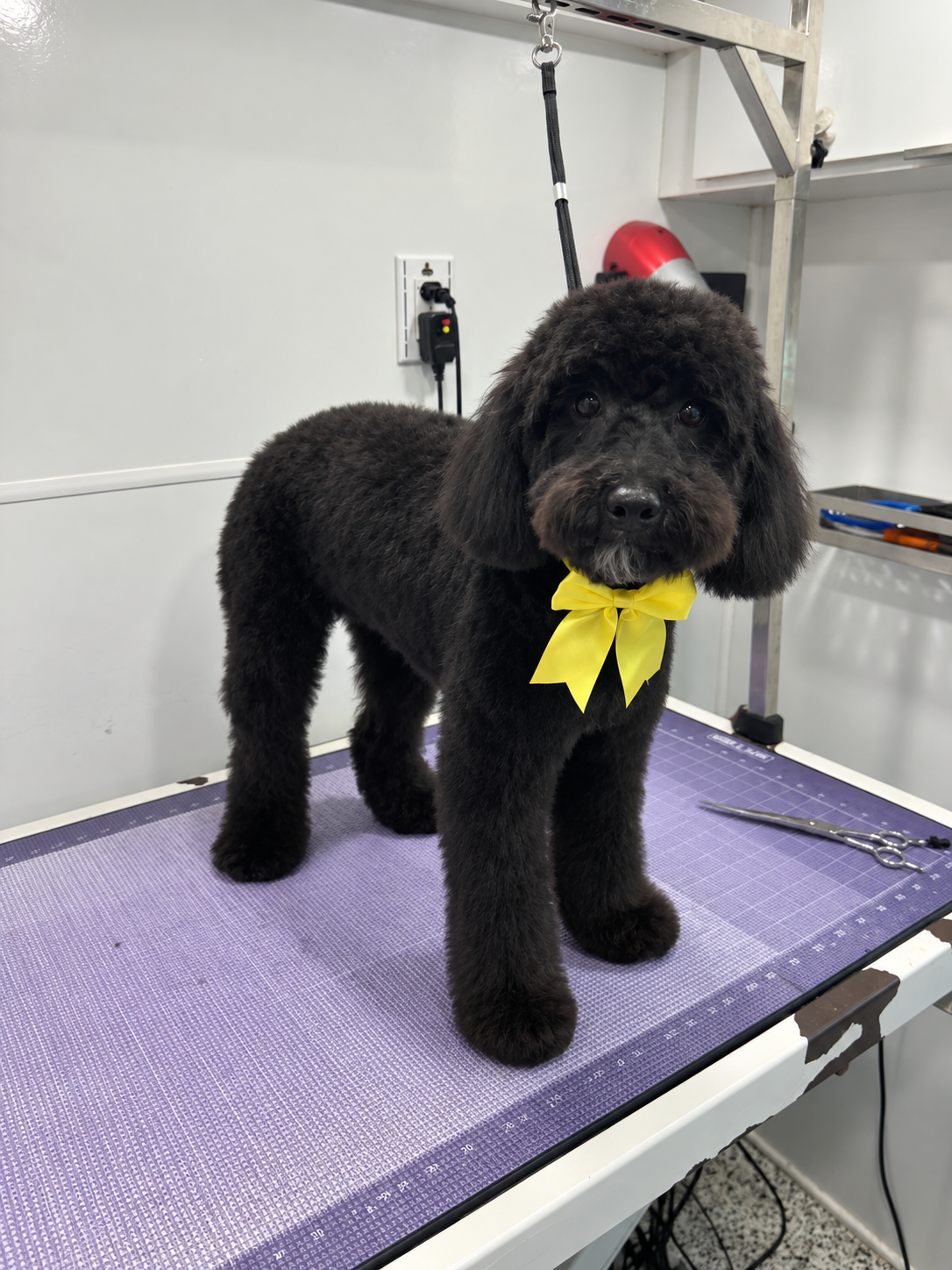
How grooming teeth brushing and veterinary dental cleaning differ — what each does, what each does not do, and why both have a place in your dog's care.
Grooming teeth brushing and veterinary dental cleaning are two different things that serve different roles in your dog's care. Grooming teeth brushing is a gentle, surface-level hygiene step that helps freshen breath and clean the tooth surface. Veterinary dental cleaning is a medical procedure that addresses tartar, dental disease, and oral health problems. Both have a place in your dog's care, but they are not interchangeable. This article explains the difference so you can make informed decisions. At Oscar Pets Mobile, teeth brushing is an individual service you can request alongside any grooming package. We serve the area from Deltona to Kissimmee; call (407) 775-8865.
What Grooming Teeth Brushing Does
Grooming teeth brushing is a gentle hygiene step performed during a grooming visit. The groomer uses a soft brush and dog-safe toothpaste to brush your dog's teeth. The goals are to help freshen breath and clean the tooth surface as part of your dog's overall grooming hygiene.
Here is what grooming teeth brushing does:
- Helps freshen breath by cleaning the surface of the teeth.
- Cleans the visible tooth surface using a soft brush and dog-safe toothpaste.
- Contributes to oral hygiene as one part of a complete grooming visit.
- Performed gently and at your dog's pace in the calm mobile environment.
It is an individual service, which means it is not automatically included in the grooming packages. You request it as an add-on alongside Bath Service, Mini Grooming, or Full Grooming. The team confirms suitability and scheduling for the individual service. Read our individual services overview to understand how add-on services relate to the packages.
The brushing is surface-level. It helps remove loose particles from the tooth surface and can help reduce the rate at which everyday plaque accumulates between professional cleanings. It does not, however, remove tartar that has already hardened on the teeth — that requires professional scaling by a veterinarian.
What Veterinary Dental Cleaning Does
Veterinary dental cleaning is a medical procedure performed by a veterinarian. It is designed to diagnose and treat oral health problems that go beyond what surface brushing can address. A typical veterinary dental cleaning involves:
- A thorough oral examination, often including charting of each tooth.
- Dental X-rays to assess the roots and the bone below the gumline, where many problems hide.
- Scaling to remove tartar and plaque, including below the gumline.
- Polishing of the teeth to smooth the surface after scaling.
- Anesthesia to ensure the procedure is safe, thorough, and stress-free for the dog.
- Treatment of dental disease, such as extracting damaged or infected teeth when necessary.
Veterinary dental cleaning addresses tartar buildup, periodontal disease, tooth fractures, root infections, and other oral health problems that require medical intervention. Because it uses anesthesia and diagnostic imaging, the veterinarian can safely examine and treat areas that a groomer cannot reach during a routine visit.
This is why veterinary dental cleaning and grooming teeth brushing are not interchangeable — they operate at different levels of care. The American Veterinary Medical Association recommends regular veterinary dental evaluations because most dental disease in dogs occurs below the gumline, where it is not visible during grooming.
The Key Differences
Here are the key differences between grooming teeth brushing and veterinary dental cleaning:
- Who performs it: grooming teeth brushing is done by a groomer during a grooming visit; veterinary dental cleaning is done by a veterinarian in a clinical setting.
- What it addresses: grooming brushing addresses surface hygiene and breath freshness; veterinary cleaning addresses tartar, periodontal disease, and oral health problems.
- Anesthesia: grooming brushing does not use anesthesia and the dog remains awake; veterinary cleaning typically requires general anesthesia so the veterinarian can work safely and completely.
- Depth: grooming brushing cleans the visible tooth surface; veterinary cleaning includes scaling both above and below the gumline, plus X-rays of the roots.
- Diagnostic tools: grooming brushing uses only a soft brush and toothpaste; veterinary cleaning uses X-rays, probes, and charting to identify hidden disease.
- Purpose: grooming brushing is a hygiene and comfort step; veterinary cleaning is a medical procedure that diagnoses and treats disease.
Understanding these differences helps you use each service for its intended purpose. Grooming teeth brushing is a valuable hygiene step that complements veterinary care — it is not a replacement for it. Read our guide on what teeth brushing during grooming involves for the full picture of the grooming service.
Why Both Matter
Both grooming teeth brushing and veterinary dental care matter for your dog's oral health, but they serve different purposes and work best together. Grooming teeth brushing helps maintain surface hygiene between veterinary visits by freshening breath and cleaning the visible tooth surface. Veterinary dental cleaning addresses medical issues that require professional treatment, including disease below the gumline that no amount of surface brushing can resolve.
Think of it as two layers of care. The grooming layer is routine and frequent — it helps keep the mouth clean and comfortable day to day. The veterinary layer is periodic and medical — it diagnoses and treats problems that develop over time. Skipping either one leaves a gap in your dog's oral care.
Regular veterinary checkups are essential for your dog's oral health. Your veterinarian can assess your dog's teeth, identify problems early, and recommend professional dental care if needed. Many dogs show few outward signs of dental pain, so a veterinary exam can catch issues that an owner or groomer would not notice. The American Animal Hospital Association recommends annual dental exams for most adult dogs, with more frequent evaluations for breeds prone to dental problems.
Between those visits, grooming teeth brushing helps slow the buildup of surface plaque and keeps your dog's breath fresher. It is a practical way to extend the comfort and cleanliness of your dog's mouth until the next veterinary checkup.
What Grooming Teeth Brushing Cannot Do
It is important to understand what grooming teeth brushing cannot do so you can set realistic expectations and know when to seek veterinary care:
- It cannot remove tartar that has hardened (calcified) on the teeth — that requires professional scaling.
- It cannot treat dental disease, including periodontal disease, tooth decay, or root infections.
- It cannot diagnose oral health problems — a groomer is not trained or equipped to diagnose dental disease.
- It cannot replace veterinary dental cleaning, which addresses problems both above and below the gumline.
- It cannot address issues below the gumline, where most serious dental disease in dogs occurs.
- It cannot repair broken, loose, or fractured teeth.
Tartar that has hardened on the teeth requires professional scaling by a veterinarian. Grooming teeth brushing helps with surface hygiene but cannot remove hardened tartar once it has formed. Once plaque mineralizes into tartar, it bonds tightly to the tooth surface and can only be removed with specialized dental instruments under anesthesia.
This is why grooming teeth brushing is best understood as a preventive hygiene step rather than a corrective one. It helps maintain a clean surface, but it does not fix problems that have already developed. If you are unsure whether your dog needs grooming teeth brushing or veterinary dental care, your veterinarian is the right first call.
Signs Your Dog Needs Veterinary Dental Care
Certain signs indicate your dog may need veterinary dental care rather than grooming teeth brushing. If you notice any of the following, consult your veterinarian before or instead of scheduling a grooming teeth brushing add-on:
- Persistent bad breath that does not improve with brushing or persists between visits.
- Broken, loose, or discolored teeth, which may indicate fracture, infection, or decay.
- Swollen, red, or bleeding gums, which can signal periodontal disease.
- Difficulty eating, dropping food, or chewing on only one side of the mouth.
- Pawing at the mouth or rubbing the face against furniture or the floor.
- Reduced appetite or reluctance to eat hard food.
- Visible tartar buildup, especially on the back teeth.
- Excessive drooling, especially if it is new or accompanied by a foul odor.
These signs may indicate dental disease that requires professional diagnosis and treatment. Grooming teeth brushing is not a treatment for these conditions, and brushing teeth that are already painful or infected can cause discomfort. Your veterinarian can examine your dog, take X-rays if needed, and recommend the appropriate course of care.
It is worth noting that many dogs continue to eat normally even with significant dental disease, because dogs often hide pain. This is why regular veterinary dental exams matter even when your dog seems fine. Grooming teeth brushing complements those exams but does not replace them.
How to Combine Both
Many pet parents combine both — requesting teeth brushing during grooming visits and scheduling regular veterinary dental checkups. This approach gives your dog routine hygiene care through grooming and medical care through veterinary visits, covering both layers of oral health.
A practical combined routine might look like this:
- Schedule regular veterinary dental exams as recommended by your veterinarian, typically annually for most adult dogs.
- Add teeth brushing to your dog's grooming visits to help maintain surface hygiene between veterinary checkups.
- Brush your dog's teeth at home with dog-safe toothpaste on days between grooming visits, if your dog tolerates it.
- Follow your veterinarian's recommendations for dental chews, diets, or other home-care products.
- Watch for the signs listed above and contact your veterinarian promptly if any appear.
If you add teeth brushing to your dog's grooming visits, it helps maintain surface hygiene between veterinary checkups. If your veterinarian recommends professional dental cleaning, that addresses medical needs such as tartar below the gumline, periodontal disease, or damaged teeth. The two services work at different levels, and using both gives your dog the most complete oral care.
At Oscar Pets Mobile, teeth brushing is an individual service you can add to any grooming package. We serve the area from Deltona to Kissimmee, including Orlando and Altamonte Springs. Read our guide on how to describe your dog's additional grooming needs to plan which add-ons make sense for your dog.
How to Request Teeth Brushing
To request teeth brushing as part of a grooming visit, call (407) 775-8865 or use our appointment-request form. Mention teeth brushing when you book a package — Bath Service, Mini Grooming, or Full Grooming. Share your dog's breed, temperament, current oral-care routine, and any veterinary notes about your dog's teeth.
We serve the area from Deltona to Kissimmee, including Orlando and Altamonte Springs. The team confirms suitability and scheduling for the individual service. Explore our teeth brushing page and our services overview to learn more. Read our guide on what to tell your groomer about your dog's oral-care routine so the groomer can plan the teeth brushing step to suit your dog.
Understanding the Limits of Grooming Teeth Brushing
It is important to understand that teeth brushing during grooming is a surface-level hygiene step, not a treatment for dental disease. Grooming teeth brushing helps freshen breath and clean the tooth surface, but it does not remove hardened tartar or address problems below the gumline. If your dog has persistent bad breath, discolored teeth, swollen or bleeding gums, difficulty eating, or pawing at the mouth, consult your veterinarian — these may be signs of dental disease that require professional diagnosis and treatment.
The groomer can let you know if they observe anything unusual during the teeth brushing step, such as visible tartar, red gums, or a broken tooth, but a groomer cannot diagnose the cause or recommend treatment. That is the role of your veterinarian. Think of the groomer's observations as a helpful heads-up, not a medical assessment.
By combining grooming teeth brushing with regular veterinary dental care, you give your dog both routine hygiene and professional medical attention. This balanced approach supports your dog's comfort, breath freshness, and long-term oral health. Contact Oscar Pets Mobile at (407) 775-8865 to discuss adding teeth brushing to your dog's next grooming visit.
Building a Cooperative Oral-Care Plan
Building a cooperative oral-care plan involves sharing information about your dog's oral-care routine with both the groomer and the veterinarian, so each professional can contribute appropriately. This section explores how to coordinate between grooming and veterinary care to support your dog's oral health.
Start by sharing your current home oral-care routine with the groomer. Do you brush your dog's teeth at home? If so, how often, and what products do you use? If you do not brush at home, share that as well. This information helps the groomer understand the context for teeth brushing during grooming. If you do not brush at home, the groomer can perform teeth brushing during the visit, and you can discuss starting a home routine with your veterinarian. Read our guide on what dog teeth brushing during grooming involves.
Share your dog's oral health history. Has your veterinarian identified any dental issues, such as plaque buildup, gingivitis, or broken teeth? Has your dog had a professional dental cleaning? Is your dog on any oral-health-related medication or diet? This information helps the groomer understand whether teeth brushing during grooming is appropriate or whether your dog should see the veterinarian first. The groomer cannot diagnose or treat dental conditions — if your dog has dental issues, consult your veterinarian. Read our guide on dog teeth brushing and veterinary dental cleaning.
Share your dog's temperament around mouth handling. Many dogs are sensitive about having their mouth, lips, or teeth touched. If your dog pulls away, licks excessively, or becomes anxious when their mouth is handled, share that when you book. The groomer can work gently and at your dog's pace. The one-on-one mobile environment is helpful because the groomer can take breaks and build trust. If your dog is very anxious about mouth handling, the groomer may focus on what is achievable during the visit. Read our guide on how to describe your dog's additional grooming needs.
Coordinate with your veterinarian for comprehensive oral care. Your veterinarian can assess your dog's oral health, recommend a home brushing routine, advise on appropriate products, and determine when professional dental cleaning is needed. Professional dental cleaning is a veterinary procedure that may involve scaling, polishing, and examination under anesthesia — it is fundamentally different from teeth brushing during grooming. The two serve different roles: grooming teeth brushing is a cleansing step, and veterinary dental cleaning is a medical procedure. Read our guide on understanding individual grooming services.
Watch for signs that indicate your dog needs veterinary dental attention. Persistent bad breath, visible tartar, red or swollen gums, bleeding, difficulty eating, and loose teeth are all signs that warrant a veterinary visit. Teeth brushing during grooming does not address these issues. If the groomer observes anything unusual during the visit, they will advise you to contact your veterinarian.
Teeth brushing is an individual service you can add to any package — Bath Service, Mini Grooming, or Full Grooming. The team confirms suitability and scheduling. We serve the area from Deltona to Kissimmee. Explore our teeth brushing page, our services overview, and our contact page.
Frequently Asked Questions
What is the difference between grooming teeth brushing and veterinary dental cleaning?
Grooming teeth brushing is a gentle surface hygiene step done by a groomer. Veterinary dental cleaning is a medical procedure done by a veterinarian, typically with anesthesia, that addresses tartar, disease, and problems below the gumline.
Can grooming teeth brushing remove tartar?
No. Grooming teeth brushing cleans the tooth surface but cannot remove hardened tartar. Tartar removal requires professional scaling by a veterinarian.
Can grooming teeth brushing treat dental disease?
No. It is not a treatment for dental disease. If your dog has dental issues, consult your veterinarian.
Should I do both grooming teeth brushing and veterinary dental care?
Yes. Grooming teeth brushing helps maintain surface hygiene between veterinary visits. Veterinary dental care addresses medical needs. Both have a role in your dog's oral health.
What signs indicate my dog needs veterinary dental care?
Persistent bad breath, broken or loose teeth, swollen or bleeding gums, difficulty eating, pawing at the mouth, or reduced appetite. Consult your veterinarian if you notice these.
Ready to Discuss teeth brushing?
Want to add teeth brushing to your dog's grooming visit? Contact Oscar Pets Mobile at (407) 775-8865 or send an appointment request. Our team will discuss your dog's needs, confirm suitability, and provide a personalized quote.
This article provides general grooming education and does not replace advice from your veterinarian. Grooming needs and product suitability vary by pet. Contact Oscar Pets Mobile to discuss your dog's needs and appointment availability.

Request a Grooming Appointment
Call us at (407) 775-8865 or visit our contact page to send a request.
Go to Contact Page