
Anal Gland Concerns: Questions for Your Groomer and Veterinarian
September 2026 • 6 min read
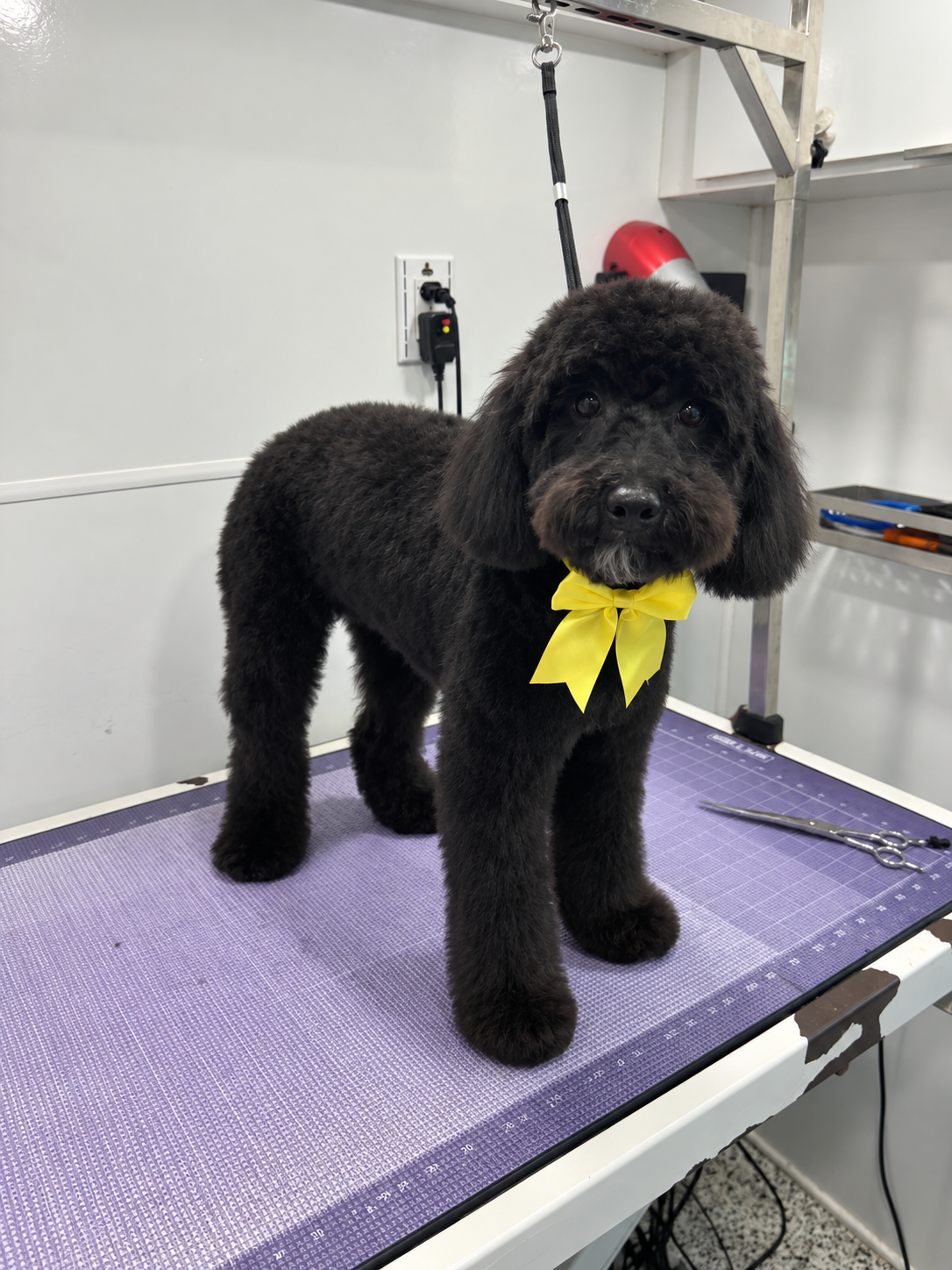
Questions to ask your groomer and veterinarian about anal gland concerns — when to seek grooming care, when to seek veterinary care, and how they differ.
If you have concerns about your dog's anal glands, it helps to know what to ask your groomer and what to ask your veterinarian. Groomers and veterinarians play different roles — a groomer can perform anal gland expression as a hygiene service when appropriate, while a veterinarian diagnoses and treats medical conditions. At Oscar Pets Mobile, we encourage owners to ask questions so they can make informed decisions. This article covers the right questions for each. We serve the area from Deltona to Kissimmee; call (407) 775-8865.
The Groomer's Role
A groomer can perform anal gland expression as a hygiene service when it is appropriate for the dog. The groomer's role includes:
- Assessing whether the service is suitable for your dog.
- Performing the service safely if it is appropriate.
- Declining the service if it is not appropriate.
- Flagging concerns that warrant veterinary attention.
A groomer does not diagnose or treat medical conditions..
The Veterinarian's Role
A veterinarian diagnoses and treats medical conditions related to the anal glands. This includes:
- Diagnosing infections, impactions, or abscesses.
- Prescribing treatment, such as medication.
- Performing procedures beyond grooming expression.
- Addressing underlying health issues.
If your dog has persistent or recurring gland issues, your veterinarian is the right resource..
Questions for Your Groomer
If you are considering anal gland expression, ask your groomer:
- Is this service appropriate for my dog?
- How do you assess suitability?
- What signs should I watch for?
- Can you perform this during a regular grooming visit?
- If you notice a concern, will you let me know?
The groomer will give you an honest assessment..
If you are considering anal gland expression as part of your dog's grooming visit, here are some useful questions to ask the groomer:
- Is anal gland expression a service you offer during grooming?
- How do you determine whether it is appropriate for my dog?
- What should I tell you about my dog's history before the visit?
- Can you let me know if you observe anything unusual?
The groomer can confirm whether anal gland expression is offered as an individual service and can discuss suitability before the visit. It is important to understand that the groomer assesses whether the service is appropriate for your dog — it is not something every dog needs routinely, and it is not performed automatically. If your dog is uncomfortable, the groomer will not force the procedure.
The groomer can also let you know if they observe anything unusual, such as swelling, redness, or discharge, but a groomer cannot diagnose medical conditions. If the groomer notes anything concerning, they will advise you to contact your veterinarian. Read our anal gland expression page for the service details.
Questions for Your Veterinarian
If your dog has persistent gland concerns, ask your veterinarian:
- Is there an underlying medical condition?
- Does my dog need treatment?
- Is grooming expression appropriate, or should it be done at the veterinary office?
- How can I prevent recurring issues?
- Are there dietary or health factors affecting the glands?
Your veterinarian can diagnose the cau.
Anal gland concerns can sometimes indicate a medical issue that requires veterinary attention. Here are some questions to ask your veterinarian:
- Does my dog need routine anal gland expression, or should it only be done when there is a problem?
- Could my dog's diet or health be contributing to anal gland issues?
- What signs should I watch for that indicate a problem?
- Is expression safe for my dog, or are there reasons to avoid it?
Your veterinarian is the right resource for medical questions about the anal glands. If your dog is scooting, licking excessively, showing swelling near the rear, or seeming uncomfortable, consult your veterinarian. These signs can indicate impaction, infection, or other issues that may require veterinary treatment rather than grooming expression.
It is important not to attempt anal gland expression at home without veterinary guidance. The procedure requires proper technique, and doing it incorrectly can cause injury or discomfort. Your veterinarian or a trained groomer can perform it safely when appropriate. Read our guide on what dog owners should know about anal gland expression for the educational overview.
When to Seek Veterinary Care
Seek veterinary care if you notice:
- Persistent scooting that does not resolve.
- Swelling, redness, or discharge near the anus.
- A foul odor that persists.
- Signs of pain or discomfort.
- Recurring gland issues despite grooming expression.
These signs may indicate an infection, impaction, or other medical condition that require.
How the Roles Complement Each Other
The groomer and veterinarian complement each other. The groomer provides hygiene services, including anal gland expression when appropriate, and can flag concerns. The veterinarian diagnoses and treats medical conditions.
If your dog needs grooming expression as part of routine hygiene, the groomer can perform it during a grooming visit. If your dog has a medical condition, the veterinarian provides the care..
Do Not Attempt Expression at Home
Whether you are working with a groomer or a veterinarian, do not attempt to express your dog's glands at home. Improper technique can cause pain, injury, or infection. Leave the procedure to professionals who have the training to perform it safely.
If you are concerned about your dog's glands,.
How to Request Grooming Care
To request anal gland expression as part of a grooming visit, call (407) 775-8865 or use our appointment-request form. Share your dog's breed, size, gland history, and any signs you have noticed. The groomer assesses suitability and performs the service only if it is appropriate.
We serve the area from Deltona to Kissimmee, including Orlando and Altamonte Springs. Explore our anal gland expression page, our services overview, and our contact page.
Assessing Suitability for Anal Gland Expression
Anal gland expression is a service that some dog owners request during grooming. It is not necessary for every dog, and suitability should be assessed by the groomer based on your dog's size, health, and history. If you notice your dog scooting, licking excessively at the rear, or showing signs of discomfort, consult your veterinarian. These signs may indicate impaction, infection, or another issue that requires medical attention..
Understanding When Anal Gland Expression Is and Is Not Appropriate
Understanding when anal gland expression is and is not appropriate helps pet parents make informed decisions about this optional grooming service and avoid unnecessary or potentially harmful procedures. This section explores the factors that determine appropriateness and the importance of veterinary guidance.
Anal gland expression is not a routine procedure that every dog needs. Some dogs naturally express their anal glands during normal defecation and never require manual expression. For these dogs, routine expression is unnecessary and may even cause irritation. The service is appropriate when there is a specific need, such as when the glands are not emptying naturally and the dog is showing signs of discomfort. The groomer assesses suitability before performing the service — they do not perform it automatically or on every dog. Read our guide on what dog owners should know about anal gland expression.
Signs that may indicate a need for anal gland expression include scooting — dragging the rear on the floor — excessive licking or biting at the rear area, and a fishy odor. However, these signs can also indicate other issues, such as allergies, parasites, skin infections, or impaction. If you notice these signs, the appropriate first step is to consult your veterinarian, who can determine the cause and recommend the right treatment. The veterinarian can assess whether anal gland expression is appropriate or whether the issue requires different care. Read our guide on what to share before requesting anal gland expression.
Anal gland expression is not appropriate when there are signs of a medical issue such as infection, abscess, or rupture. Signs of these conditions include swelling, redness, warmth, discharge that is bloody or pus-like, and signs of pain. If any of these signs are present, contact your veterinarian immediately — these conditions require veterinary treatment, not grooming expression. The groomer will not perform expression if they observe these signs and will advise you to seek veterinary care. Read our guide on understanding individual grooming services.
Anal gland expression is not a procedure to perform at home. The procedure requires proper technique, and doing it incorrectly can cause injury, pain, or infection. Attempting expression at home without training can also mask a medical issue that requires veterinary attention. If you believe your dog needs anal gland expression, consult your veterinarian or a trained groomer. Read our guide on what to ask when choosing a mobile dog groomer.
The frequency of anal gland expression, when it is appropriate, depends on the individual dog. Some dogs need it regularly, while others never need it. Your veterinarian can advise on whether your dog needs routine expression or whether it should only be done when there is a specific sign. Over-expression can cause irritation, so it should not be done more often than necessary. Read our guide on how to describe your dog's additional grooming needs.
Diet can play a role in anal gland health. Some veterinarians recommend dietary adjustments, such as increased fiber, to support natural gland expression. If your dog has recurring anal gland issues, discuss diet with your veterinarian. The groomer cannot prescribe dietary changes — that is the role of your veterinarian. Read our guide on what to discuss before your dog's Mini Grooming appointment.
Anal gland expression is an individual service you can add to any package — Bath Service, Mini Grooming, or Full Grooming. The team confirms suitability and scheduling. We serve the area from Deltona to Kissimmee. Explore our anal gland expression page, our services overview, and our contact page.
Coordinating Between Groomer and Veterinarian
Coordinating between the groomer and the veterinarian ensures that anal gland expression, when appropriate, is performed safely and that any medical issues are addressed by the right professional. This section explores how to navigate the roles of each professional and when to seek veterinary care.
The groomer and the veterinarian play different roles in anal gland care. The groomer can perform anal gland expression as an optional grooming service when it is appropriate and the dog is comfortable. The veterinarian diagnoses and treats medical conditions affecting the anal glands, such as impaction, infection, and abscess. Understanding these roles helps you seek the right care at the right time. Read our guide on anal gland concerns: questions for your groomer and veterinarian.
If your dog is showing signs of anal gland discomfort — such as scooting, licking, or a fishy odor — the appropriate first step is to consult your veterinarian. The veterinarian can determine whether the issue is simple fullness that expression can address, or whether there is a medical condition such as impaction, infection, or abscess that requires veterinary treatment. If the veterinarian determines that expression is appropriate, they can perform it or advise you to have it done during grooming. Read our guide on what dog owners should know about anal gland expression.
If your dog has a history of anal gland issues, share that with both the groomer and the veterinarian. Let the veterinarian know about any previous impactions, infections, or treatments. Let the groomer know whether your veterinarian has recommended routine expression or whether it should only be done when there are specific signs. This coordination ensures that the service is performed appropriately and that medical issues are not overlooked. Read our guide on how to describe your dog's additional grooming needs.
If the groomer observes anything unusual during the visit — such as swelling, redness, discharge, or signs of pain — they will not perform expression and will advise you to contact your veterinarian. The groomer cannot diagnose medical conditions, but they can flag concerns for veterinary follow-up. This is an important safeguard, as attempting expression when there is a medical issue can worsen the condition. Read our guide on understanding individual grooming services.
If your veterinarian diagnoses and treats an anal gland issue, follow their guidance for follow-up care. This may include medication, warm compresses, dietary adjustments, or a follow-up appointment. Once the issue is resolved, you can discuss with your veterinarian whether routine expression during grooming is appropriate going forward. Read our guide on what to ask when choosing a mobile dog groomer.
Do not attempt anal gland expression at home. The procedure requires proper technique, and doing it incorrectly can cause injury, pain, or infection. It can also mask a medical issue that requires veterinary attention. If you are concerned about your dog's anal glands, consult your veterinarian. If expression is appropriate, your veterinarian or a trained groomer can perform it safely. Read our guide on what to discuss before your dog's Mini Grooming appointment.
Anal gland expression is an individual service you can add to any package — Bath Service, Mini Grooming, or Full Grooming. We serve the area from Deltona to Kissimmee. Explore our anal gland expression page, our services overview, and our contact page.
Frequently Asked Questions
What is the difference between the groomer's and veterinarian's roles?
A groomer performs anal gland expression as a hygiene service when appropriate. A veterinarian diagnoses and treats medical conditions like infections or impactions.
What should I ask my groomer?
Ask whether the service is appropriate for your dog, how they assess suitability, what signs to watch for, and whether they will flag concerns.
What should I ask my veterinarian?
Ask whether there is an underlying condition, whether treatment is needed, whether grooming expression is appropriate, and how to prevent recurring issues.
When should I seek veterinary care?
Seek veterinary care for persistent scooting, swelling, discharge, odor, pain, or recurring issues. These may indicate a medical condition.
Can the groomer treat an infection?
No. A groomer does not diagnose or treat medical conditions. If there is an infection or impaction, the groomer will recommend veterinary care.
Ready to Discuss anal gland expression?
Have questions about anal gland care for your dog? Contact Oscar Pets Mobile at (407) 775-8865 or send an appointment request. Our team will discuss your dog's needs, assess suitability, and provide a personalized quote.
This article provides general grooming education and does not replace advice from your veterinarian. Grooming needs and product suitability vary by pet. Contact Oscar Pets Mobile to discuss your dog's needs and appointment availability.
Request a Grooming Appointment
Call us at (407) 775-8865 or visit our contact page to send a request.
Go to Contact Page