
Everyday Paw Observations to Share at Your Dog's Next Groom
September 2026 • 6 min read
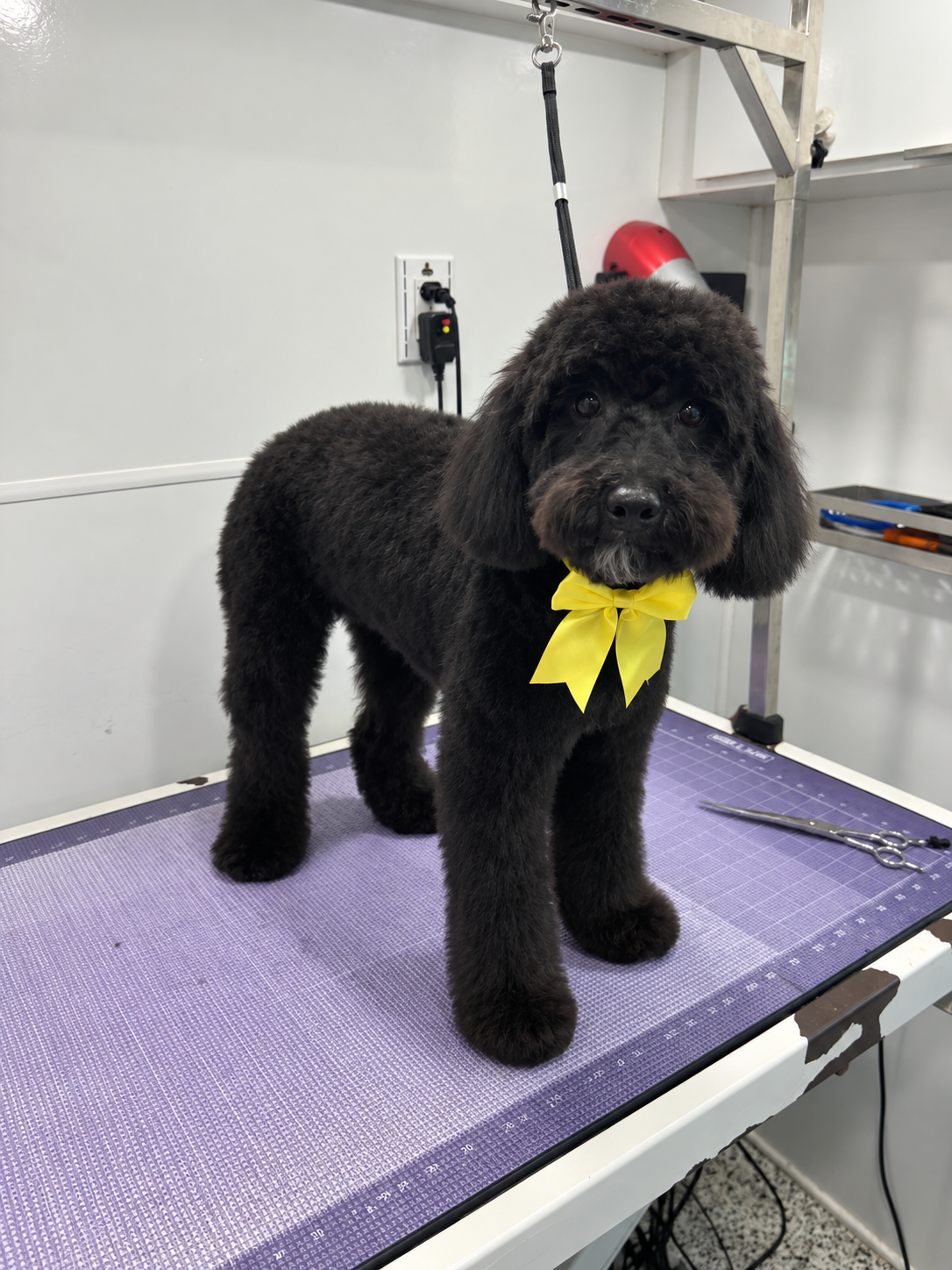
Everyday paw observations to share at the next groom — debris, sensitivity, licking, and gait — so the groomer can provide appropriate paw care.
Sharing everyday paw observations at your dog's next groom helps the groomer provide appropriate paw care. You see your dog's paws every day, so you are well-positioned to notice things the groomer might not see during a single visit. At Oscar Pets Mobile, we encourage owners to share these observations so the groomer can tailor the care. This article covers what paw observations to share. We serve the area from Deltona to Kissimmee; call (407) 775-8865.
Debris and Buildup
Share observations about debris and buildup in the paw area:
- Does your dog accumulate debris between the paw pads?
- Is there visible dirt or material trapped in the paw hair?
- Does your dog walk on surfaces that collect debris (grass, dirt, gravel)?
- How quickly does debris build up between grooms?
This information helps the groomer understand how much paw-area tidying your dog needs. Dogs that accumulate debris quickly may benefit from more frequent grooming. Read our guide on what paw-area cleaning and tidying includes.
The groomer can advise on a schedule based on your dog's lifestyle.
Sensitivity About Paw Handling
Share how your dog reacts to paw handling:
- Is your dog comfortable with their paws being touched?
- Do they pull away when you handle their paws?
- Are they sensitive about specific paws?
- Have they had a bad experience with nail trimming or paw handling?
This information helps the groomer work gently. If your dog is sensitive, the groomer can take a slow, careful approach. The one-on-one mobile environment helps because there are no other dogs or distractions. Read our guide on helping your dog become comfortable with paw handling.
The groomer prioritizes your dog's comfort during paw care.
Licking, Chewing, or Itching
Share if you notice your dog licking, chewing, or itching their paws:
- Does your dog lick or chew their paws frequently?
- Is the licking focused on one paw or all paws?
- Have you noticed redness or irritation between the paw pads?
- Does the licking seem to be related to certain seasons or environments?
Frequent licking or chewing can indicate allergies, irritation, or other issues. If you notice this, mention it to the groomer and consult your veterinarian. Paw-area tidying during grooming does not treat these issues — they may need veterinary attention. Read our guide on paw tidying vs. nail trimming.
The groomer can flag concerns, but your veterinarian addresses medical issues.
Gait and Mobility
Share observations about your dog's gait and mobility:
- Does your dog walk normally, or do they limp or favor a leg?
- Do they seem stiff or reluctant to walk?
- Have you noticed changes in how they walk?
- Do they seem uncomfortable on certain surfaces?
Changes in gait can indicate paw issues, nail issues, or orthopedic problems. If you notice changes, consult your veterinarian. Nail trimming during grooming helps keep the nails at an appropriate length, which supports comfortable walking, but it does not treat medical conditions. Read our guide on what professional dog nail trimming involves.
Your veterinarian is the right resource for gait and mobility concerns.
Paw Pad Condition
Share observations about your dog's paw pads:
- Are the paw pads smooth, or do they appear dry or cracked?
- Have you noticed any cuts, abrasions, or sores?
- Do the paw pads seem sensitive?
- Has your dog walked on hot or rough surfaces?
Dry or cracked paw pads may benefit from paw balm, an individual service that moisturizes the paw pads. However, cuts, sores, or significant cracking need veterinary attention. Paw balm is not a treatment for wounds or medical conditions. Read our guide on what is paw balm hydration.
The groomer can advise on whether paw balm is appropriate, but consult your veterinarian for medical issues.
Nail Observations
Share observations about your dog's nails:
- Do the nails seem long or overgrown?
- Are any nails cracked or damaged?
- Does your dog's nail clicking on hard floors?
- How long since the last nail trimming?
This information helps the groomer plan the nail trimming. Nail trimming is included in all three packages. If the nails are overgrown, the groomer can trim them to an appropriate length. Read our guide on how to discuss your dog's nail-trimming needs.
Regular nail trimming supports comfort and mobility.
What the Groomer Does With This Information
The groomer uses your observations to tailor the paw care:
- If your dog accumulates debris, they focus on paw-area tidying.
- If your dog is sensitive, they work gently and at your dog's pace.
- If they notice signs of a medical issue, they recommend veterinary care.
- If paw pads are dry, they may suggest paw balm.
The groomer provides hygiene care and flags concerns, but does not diagnose or treat medical conditions. Your observations help them provide better, more personalized care. Read our guide on what paw-area cleaning and tidying includes.
The groomer and veterinarian complement each other in supporting your dog's paw health.
Building a Between-Visit Paw Observation Habit
Building a between-visit paw observation habit helps pet parents catch potential issues early and communicate effectively with the groomer. While regular grooming visits include paw-area tidying and nail trimming, what you observe at home between visits provides valuable information that helps the groomer plan the right care. This section covers what to watch for and how to share your observations.
Make paw observation a regular part of your routine. Ideally, check your dog's paws once a week. This does not need to be a lengthy process. Simply look at the paws, feel the pads, check between the toes, and note anything unusual. Regular observation helps you establish a baseline for what is normal for your dog, making it easier to notice changes.
What to watch for includes the condition of the paw pads. Healthy pads are generally smooth and supple. If the pads feel dry, rough, or cracked, note that. Dry or rough pads may benefit from paw balm hydration during the next grooming visit. Cracked or bleeding pads require veterinary attention. Read our guide on what paw balm involves for what the service includes.
Check the fur between the toes. Is it long, matted, or accumulating debris? If so, paw-area tidying during the next grooming visit can help. Paw-area tidying is included in Mini Grooming and Full Grooming. If you notice matting between the toes, do not attempt to cut it with scissors, as the skin between the toes is sensitive and easily injured. Mention it when you book. Read our guide on what paw-area tidying includes.
Check the nails. Are they clicking on hard floors? Are they curving? If so, they may need trimming. Nail trimming is included in all three packages, Bath Service, Mini Grooming, and Full Grooming. If the nails seem to need attention between regular visits, consider scheduling an additional trimming. Read our guide on what professional nail trimming involves.
Look for redness, swelling, or irritation between the toes or on the pads. These may indicate allergies, infections, or other medical conditions that require veterinary attention. If you notice these signs, consult your veterinarian. The groomer can keep the paw area clean, but they cannot diagnose or treat medical conditions.
Check for debris such as small stones, plant matter, or sand trapped in the paw fur. Remove visible debris gently if you can do so safely. If debris is deeply embedded or the area is sensitive, leave it for the groomer.
When you book the next grooming visit, share your observations. Tell the groomer about any dryness, matting, nail length, or sensitivity you have noticed. This helps the groomer plan the right combination of services. Read our guide on how to describe your dog's additional grooming needs and explore our services overview.
What to Share With the Groomer About Your Dog's Paws
Knowing what to share with the groomer about your dog's paws helps ensure the grooming visit addresses your dog's specific paw-care needs. The groomer provides paw-area tidying and nail trimming as part of the grooming packages, but the information you share helps them tailor the care. This section covers what to communicate.
Share your dog's typical walking environment. Does your dog walk on sandy soil, grassy parks, paved sidewalks, or a mix? The terrain affects how much debris accumulates in the paw fur and how quickly the nails wear down. In Central Florida, sandy soil is common, and dogs that walk on sand may accumulate more debris in the paw fur. The groomer can be attentive to the paw area based on this information. Read our guide on what paw-area tidying includes.
Share any observations you have made between visits. If you noticed dry or rough pads, mention it so the groomer can recommend paw balm hydration. If you noticed matting between the toes, mention it so the groomer can address it. If you noticed the nails clicking on hard floors, mention it so the groomer knows to trim them. Your between-visit observations provide valuable information. Read our guide on everyday paw observations to share.
Share your dog's sensitivity about paw handling. Some dogs are comfortable with their paws being touched, while others are sensitive, especially about nail trimming. If your dog is anxious about paw handling, let the groomer know so they can work patiently. The one-on-one mobile environment helps, as the groomer can take breaks and work at your dog's pace. Read our guide on helping your dog become comfortable with paw handling.
Share any veterinary guidance related to the paws. If your veterinarian has diagnosed a paw condition, such as allergies or a skin infection, share that information. If your dog is on medication for a paw condition, let the groomer know. If your veterinarian has recommended specific paw care, share that guidance. The groomer respects veterinary guidance and can work appropriately. Read our guide on paw balm vs. paw cleaning vs. nail trimming.
Share your dog's breed and coat type. This is relevant because dogs with longer coats may have more fur between the toes that needs tidying, while dogs with shorter coats may have less. The groomer can assess the paw area and provide appropriate care based on the coat type. Read our guide on paw tidying vs. nail trimming.
Ask questions as well. If you want to know what paw-area tidying involves, ask the groomer. If you want recommendations for home paw care, ask. If you want to know how often to schedule grooming visits for paw maintenance, ask. The groomer can provide advice based on your dog's specific needs. Explore our Bath Service, Mini Grooming, and Full Grooming packages, and our services overview.
How to Share Your Observations
To share your paw observations and request a grooming visit, call (407) 775-8865 or use our appointment-request form. Mention any debris, sensitivity, licking, gait changes, paw pad condition, or nail observations. Choose Mini Grooming or Full Grooming for comprehensive paw care, including paw-area tidying and nail trimming.
We serve the area from Deltona to Kissimmee, including Orlando and Altamonte Springs. Explore our services overview and our contact page.
Frequently Asked Questions
What paw observations should I share?
Share observations about debris and buildup, sensitivity about paw handling, licking or chewing, gait and mobility, paw pad condition, and nail length.
Should I mention if my dog licks their paws?
Yes. Frequent licking can indicate allergies or irritation. Mention it to the groomer and consult your veterinarian, as grooming does not treat these issues.
Should I share gait observations?
Yes. Changes in gait can indicate paw, nail, or orthopedic issues. Consult your veterinarian for gait concerns.
What if the paw pads are dry or cracked?
Dry pads may benefit from paw balm. However, cuts, sores, or significant cracking need veterinary attention. Paw balm is not a treatment for wounds.
Should I mention nail observations?
Yes. Share whether the nails seem long, cracked, or clicking on floors. This helps the groomer plan the nail trimming.
How does the groomer use my observations?
The groomer tailors the paw care — focusing on tidying, working gently, recommending paw balm, or flagging concerns for veterinary care.
Does the groomer treat medical paw issues?
No. The groomer provides hygiene care and flags concerns. Medical issues need veterinary attention.
How do I share my observations?
Call (407) 775-8865 or use our appointment-request form. Mention your paw observations. Choose Mini Grooming or Full Grooming for comprehensive paw care.
Ready to Discuss paw care?
Want to share paw observations and plan your dog's paw care? Contact Oscar Pets Mobile at (407) 775-8865 or send an appointment request. Our team will discuss your dog's needs and provide a personalized quote.
This article provides general grooming education and does not replace advice from your veterinarian. Grooming needs and product suitability vary by pet. Contact Oscar Pets Mobile to discuss your dog's needs and appointment availability.
Request a Grooming Appointment
Call us at (407) 775-8865 or visit our contact page to send a request.
Go to Contact Page