
Flea Grooming Services and Veterinary Flea Prevention: Different Purposes
September 2026 • 7 min read
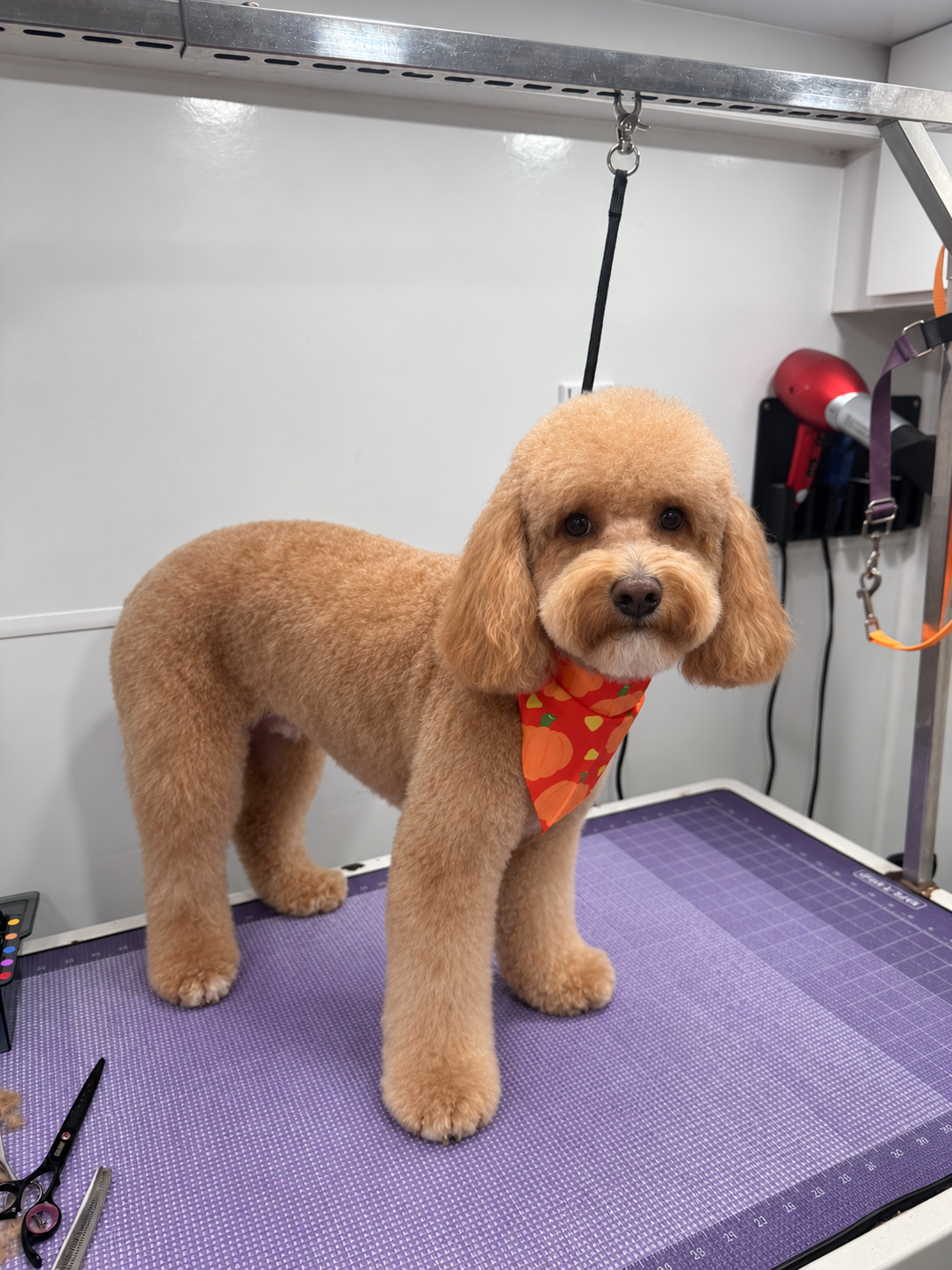
How a flea-cleansing grooming service and veterinary flea prevention differ, and why your dog may benefit from both.
Flea grooming services and veterinary flea prevention serve different purposes. A flea grooming service cleans your dog's coat of fleas encountered between regular preventatives, while veterinary prevention provides ongoing protection against fleas and ticks. At Oscar Pets Mobile, flea treatment is a grooming service, not long-term prevention. Understanding the difference helps you use both appropriately for your dog's care. We serve the area from Deltona to Kissimmee; request a visit by calling (407) 775-8865.
What Flea Grooming Does
Flea grooming is a flea-cleansing shampoo bath that helps clean your dog's coat of fleas encountered between regular preventatives. It is a grooming service that refreshes the coat when fleas appear.
- A flea-cleansing shampoo bath.
- Cleans the coat of fleas encountered between preventatives.
- A grooming service, not veterinary prevention.
- No long-term protection claims.
The groomer uses a flea-cleansing shampoo to wash your dog's coat, helping remove fleas that have been encountered..
Flea grooming is a cleansing step, not a long-term solution. It helps remove the fleas that are currently on your dog's coat and can provide immediate relief from the itching and irritation that active fleas cause. However, it does not address the fleas and eggs that may be in your home environment — in carpets, bedding, furniture, and yard areas. Without treating the environment and using veterinary prevention, fleas can quickly return even after a thorough grooming visit.
This is why flea grooming and veterinary flea prevention serve different but complementary purposes. Grooming addresses what is on the dog right now; veterinary prevention addresses the ongoing lifecycle of fleas and protects your dog over time. If your dog has fleas, a comprehensive plan usually involves both: a grooming visit to clean the coat, and a veterinary-recommended prevention product to keep fleas from coming back. Read our guide on what to tell your groomer before bringing a dog with fleas.
What Veterinary Flea Prevention Does
Veterinary flea prevention provides ongoing protection against fleas and, depending on the product, ticks. Your veterinarian recommends a plan suited to your dog's species, age, weight, and lifestyle.
Prevention products work continuously to protect your dog from flea infestations. They may come in topical, oral, or collar forms, and your veterinarian chooses the right option based on your dog's needs. The U.S. FDA offers guidance on the safe use of flea and tick products in pets, which is a helpful reference for understanding product safety.
Prevention is the foundation of parasite care..
Veterinary flea prevention is designed to protect your dog over weeks or months, depending on the product. It works by killing fleas that bite your dog, disrupting the flea lifecycle, or repelling fleas before they establish themselves. Your veterinarian can recommend the most appropriate product based on your dog's species, age, weight, health status, and lifestyle.
It is critical to follow your veterinarian's guidance and the product label directions exactly. Some products are designed for dogs only and can be harmful or fatal to cats. Never use a dog flea product on a cat, and do not combine multiple flea products without veterinary approval, as this can cause toxicity. The FDA advises pet owners to use flea and tick products carefully and to report any adverse reactions. If your dog is young, senior, pregnant, nursing, or has health concerns, your veterinarian is the right guide for safe parasite care.
Veterinary prevention also typically includes guidance on treating the home environment, because fleas spend much of their lifecycle off the host animal. Your veterinarian can recommend a coordinated approach that addresses both your dog and the living environment. Grooming complements this by cleaning the coat, but it does not replace the prevention product or the environmental treatment.
A Detailed Comparison
Understanding the differences between flea grooming and veterinary prevention helps you use both effectively:
- Purpose: grooming cleans the coat of fleas; prevention protects ongoing.
- Duration: grooming is a one-time cleanse; prevention is ongoing.
- Scope: grooming addresses fleas; prevention may address fleas and ticks.
- Provider: grooming by a groomer; prevention by your veterinarian.
- Product type: grooming uses a cleansing shampoo; prevention uses pharmaceutical products.
- Timing: grooming is reactive (when fleas appear); prevention is proacti.
Why Your Dog May Benefit From Both
Even with prevention, a dog can pick up fleas between treatments, especially in warm climates like Central Florida. A flea-cleansing groom refreshes the coat, while prevention keeps working in the background.
Combining both gives your dog the cleanest, most comfortable outcome. Prevention reduces the frequency and severity of flea encounters, and grooming addresses fleas that do appear..
Important Product Safety Notes
Flea products must respect the intended species, age, weight, and label directions. Never use dog products on cats, and do not combine products without veterinary guidance.
If your dog is young, senior, pregnant, nursing, or has health concerns, your veterinarian is the right guide for safe parasite care. Some products are not appropriate for puppies, senior dogs, or dogs with certain health conditions. Always check with your veterinarian before starting or changing a prevention product.
For the grooming service, the groomer discusses suitability before the visit..
Central Florida Considerations
Central Florida's warm, humid climate means fleas can be active year-round. Dogs in Orlando, Altamonte Springs, Winter Park, and surrounding communities may encounter fleas more frequently than dogs in cooler climates.
This makes a strong prevention plan especially important. Your veterinarian can recommend a prevention product suited to the Central Florida climate and your dog's lifestyle..
When to Choose Each
Choose veterinary prevention as the foundation of your dog's parasite care. It is ongoing, proactive, and provides the primary protection against fleas and ticks.
Choose a flea-cleansing groom when:
- Your dog encounters fleas between prevention treatments.
- You want to refresh your dog's coat quickly.
- Your dog is already on prevention but still picked up fleas.
- You are scheduling a grooming visit and want to address fleas at the same time.
Do no.
How to Request Flea Grooming
When you request the visit, let the team know your dog has fleas and describe the situation. Include your dog's breed, coat condition, age, and ZIP code.
We serve from Deltona to Kissimmee, and a team member will confirm suitability and route availability. Explore the services overview and the individual services list.
To request flea grooming, call (407) 775-8865 or use our appointment-request form. Share the details above so the team can plan the right approach.
Flea Grooming and Veterinary Prevention
Flea treatment during grooming involves using a flea shampoo to clean the coat. It is not a substitute for veterinary flea prevention, which provides ongoing protection against fleas. If your dog has fleas, discuss a comprehensive flea management plan with your veterinarian, including prevention for all pets in the home and environmental treatment of bedding and living areas. The groomer can confirm whether a flea shampoo service is suitable before your appointment..
After the Visit: Managing Fleas Going Forward
After a grooming visit that includes a flea-cleansing bath, managing fleas going forward requires a coordinated approach that addresses both your dog and the home environment. This section covers the steps to take after the visit and how to work with your veterinarian on a long-term flea prevention plan.
A flea-cleansing bath during grooming removes the fleas that are on your dog's coat at the time of the visit. However, it does not provide ongoing prevention — fleas can return if the environment is not treated and if your dog is not on a veterinary-recommended prevention product. This is why the grooming visit is one part of a comprehensive flea management plan, not a standalone solution. Read our guide on flea grooming services vs. veterinary flea prevention.
After the visit, contact your veterinarian if you have not already done so. Your veterinarian can recommend a prevention product that is appropriate for your dog based on their species, age, weight, health status, and lifestyle. Prevention products include topical treatments, oral medications, and collars, and the right choice depends on your dog's specific needs. Follow your veterinarian's guidance and the product label directions exactly. The FDA advises pet owners to use flea and tick products carefully and to report any adverse reactions. Read our guide on what to ask about flea treatment during dog grooming.
Treat the home environment. Fleas spend much of their lifecycle off the host animal, in carpets, bedding, furniture, and yard areas. Even after the grooming visit cleans your dog's coat, fleas and eggs in the environment can reinfest your dog. Wash your dog's bedding in hot water, vacuum carpets and furniture thoroughly, and dispose of the vacuum bag or empty the canister outside. Your veterinarian can recommend an environmental treatment product that is safe for use around pets. If the infestation is severe, a professional pest control service may be needed.
Check other pets in the home. If you have multiple pets, they may also have fleas, even if you have not noticed them. Consult your veterinarian about treating all pets in the household, as treating only one pet leaves a reservoir for reinfestation. Do not use dog flea products on cats — some products that are safe for dogs are toxic to cats. Always follow your veterinarian's guidance for each pet. Read our guide on understanding individual grooming services.
Monitor your dog for signs of continued flea activity. These include scratching, biting, licking, restlessness, and visible fleas or flea dirt — small dark specks that look like pepper — in the coat. If you continue to see signs of fleas after the grooming visit and the prevention product has had time to take effect, contact your veterinarian. Persistent flea activity may indicate that the environment has not been fully treated or that the prevention product needs adjustment.
Also watch for signs of skin irritation that may have resulted from the flea infestation. Flea bites can cause redness, itching, and in some dogs, allergic reactions. If your dog has significant skin irritation, hair loss, or hot spots, consult your veterinarian. The groomer can let you know if they observe any skin concerns during the visit, but a groomer cannot diagnose or treat medical conditions. Read our guide on what to ask when choosing a mobile dog groomer.
Flea treatment is an individual service you can add to any package — Bath Service, Mini Grooming, or Full Grooming. We serve the area from Deltona to Kissimmee. Explore our flea treatment page, our services overview, and our contact page.
Central Florida's Flea Climate and Seasonal Considerations
Central Florida's warm, humid climate creates conditions that support fleas year-round, which makes understanding the local flea climate and seasonal considerations important for pet parents in the area. This section explores how the climate affects flea activity and how to plan grooming and prevention accordingly.
In cooler climates, flea activity often decreases during the winter months, as cold temperatures kill or suppress fleas outdoors. In Central Florida, however, the year-round warmth means fleas can remain active throughout the year. There is no natural cold-weather break that reduces flea populations, which means continuous prevention is important. Dogs in Orlando, Altamonte Springs, and surrounding communities are exposed to fleas year-round, whether in yards, parks, or on walks. Read our guide on what to tell your groomer before bringing a dog with fleas.
The humidity in Central Florida also supports flea development. Fleas thrive in warm, humid environments, and the climate provides ideal conditions for fleas to reproduce and complete their lifecycle. This means that flea infestations can develop quickly and that environmental treatment is as important as treating the dog. A single flea can lay dozens of eggs per day, which fall off the dog into the environment and develop into new fleas. Without treating the environment, the cycle continues even after the dog's coat is cleaned. Read our guide on what to ask about flea treatment during dog grooming.
Because fleas are active year-round in Central Florida, veterinary flea prevention should be maintained throughout the year, not stopped during winter months. Your veterinarian can recommend a prevention product that provides continuous protection. Consistency is key — gaps in prevention allow fleas to establish themselves. If you travel with your dog to cooler climates, continue prevention there as well, as fleas can be present in any environment where dogs and wildlife are found.
For grooming, the year-round flea climate means that flea-cleansing baths may be needed at any time of year. If your dog picks up fleas despite prevention, a grooming visit with a flea-cleansing shampoo can clean the coat and provide immediate relief. However, the grooming visit does not replace the prevention product — it is a cleansing step that addresses the fleas present at the time. Read our guide on understanding individual grooming services.
Wildlife in the area can also contribute to flea exposure. Raccoons, opossums, feral cats, and other wildlife that pass through yards can carry fleas, which then transfer to the environment. If your dog spends time in a yard where wildlife is present, flea exposure is more likely. Keeping the yard tidy and discouraging wildlife from entering can help reduce exposure, but prevention remains essential.
If your dog has fleas, contact your veterinarian for a comprehensive plan that includes a prevention product and environmental treatment guidance. Then consider a grooming visit to clean the coat as part of that plan. The flea treatment is an individual service you can add to any package — Bath Service, Mini Grooming, or Full Grooming. We serve the area from Deltona to Kissimmee. Explore our flea treatment page, our services overview, and our contact page.
Frequently Asked Questions
Is flea grooming a replacement for prevention?
No. Grooming cleans the coat of fleas encountered between preventatives. Ongoing protection comes from a veterinary prevention plan.
Does flea grooming protect against ticks?
This service addresses fleas. We do not make tick protection claims; your veterinarian is the right resource for full parasite protection.
Can fleas appear even with prevention?
Yes. In warm climates, dogs can pick up fleas between treatments. A flea-cleansing groom refreshes the coat when that happens.
Is flea treatment included in the packages?
No. It is an individual service you can request alongside a package, with suitability confirmed before the visit.
Can I use dog flea products on my cat?
No. Flea products must match the intended species, age, weight, and label directions. Never use dog products on cats without veterinary guidance.
Ready to Discuss flea treatment?
Want a flea-cleansing groom for your dog? Contact Oscar Pets Mobile at (407) 775-8865 or send an appointment request. Our team will confirm suitability, discuss the service, and provide a personalized quote.
This article provides general grooming education and does not replace advice from your veterinarian. Grooming needs and product suitability vary by pet. Contact Oscar Pets Mobile to discuss your dog's needs and appointment availability.

Request a Grooming Appointment
Call us at (407) 775-8865 or visit our contact page to send a request.
Go to Contact Page