
What to Tell Your Groomer About Your Dog's Ears
September 2026 • 6 min read
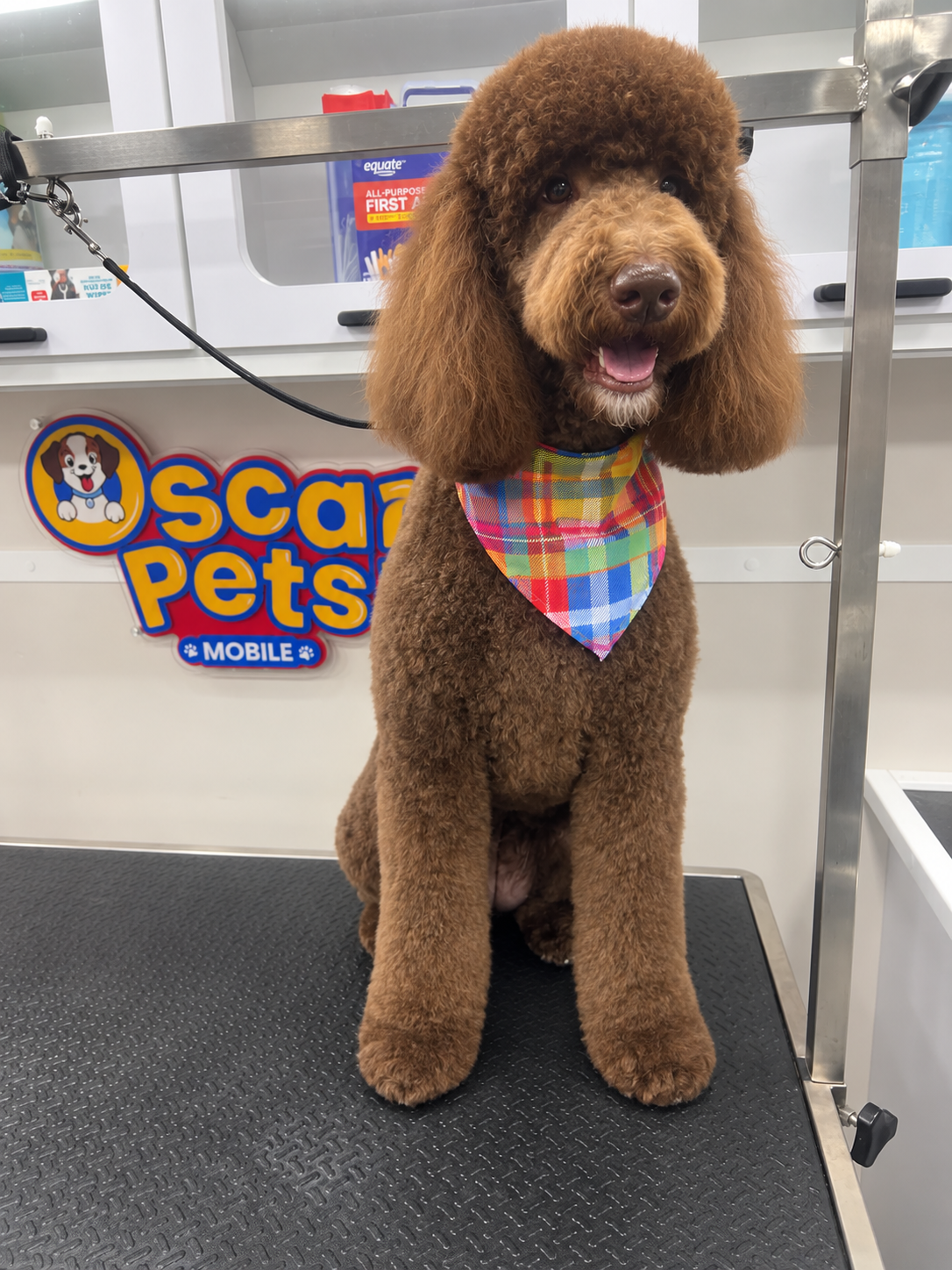
What to share about your dog's ears — history, sensitivities, and signs — so the groomer can provide gentle, appropriate ear care during the grooming visit.
Sharing information about your dog's ears helps the groomer provide gentle, appropriate ear care during the grooming visit. Because ear cleaning is included in every package, the groomer will clean the outer ear — but knowing your dog's history, sensitivities, and any signs helps them work carefully and flag concerns. At Oscar Pets Mobile, we encourage this conversation. This article covers what to tell your groomer about your dog's ears. We serve the area from Deltona to Kissimmee; call (407) 775-8865.
Share Your Dog's Ear History
Share your dog's ear history:
- Whether your dog has had ear infections or issues before.
- Whether your dog is being treated for an ear condition.
- Whether your veterinarian has given specific ear-care guidance.
- Whether your dog has allergies that affect the ears.
This history helps the groomer understand your dog's ears. If your dog is being treated for a condition, the groomer can work gently and avoid interfering. If your dog has a history of issues, the groomer can be extra attentive. Read our guide on routine ear hygiene and ear problems.
Be thorough — accurate information supports better care.
Describe Sensitivity About Ear Handling
Describe how your dog reacts to ear handling:
- Is your dog comfortable with their ears being touched?
- Do they pull away or become anxious?
- Are they sensitive about one ear in particular?
- Have they had a bad experience with ear handling?
This information helps the groomer work gently. If your dog is sensitive, the groomer can take a slow, careful approach. The one-on-one mobile environment helps because there are no other dogs or distractions. Read our guide on how to prepare for your dog's first mobile grooming visit.
The groomer prioritizes your dog's comfort during ear care.
Mention Any Signs You Have Noticed
Mention any signs you have noticed:
- Discharge or unusual odor.
- Redness or swelling.
- Persistent scratching or head shaking.
- Sensitivity when the ears are touched.
These signs may indicate an ear problem. The groomer can flag them and recommend veterinary care. Ear cleaning during grooming does not treat these issues — they need veterinary attention. Read our guide on routine ear hygiene and ear problems.
If you notice signs of a problem, consult your veterinarian before or after the grooming visit.
Share Veterinary Guidance
If your veterinarian has given guidance about your dog's ears, share it:
- Whether your veterinarian has recommended a specific ear-care routine.
- Whether your dog is on medication for an ear condition.
- Whether your veterinarian has advised against ear cleaning.
- Any products your veterinarian has recommended or advised against.
The groomer respects veterinary guidance. If your veterinarian has advised against ear cleaning, the groomer can skip it. If your dog is on medication, the groomer can work carefully around the affected area. Read our guide on how ear cleaning fits into the grooming appointment.
The groomer and veterinarian work together to support your dog's ear health.
Mention Your Dog's Breed and Ear Type
Share your dog's breed and ear type. This is relevant because:
- Dogs with floppy ears may be more prone to ear issues.
- Some breeds have narrow ear canals.
- Ear type affects how the groomer approaches ear care.
This information helps the groomer provide appropriate care. However, breed and ear type alone do not determine whether your dog has issues — the groomer considers the full picture. Read our guide on routine ear hygiene and ear problems.
The groomer makes an individualized assessment for your dog.
Understand What the Groomer Does
Understand what the groomer does during ear cleaning:
- Gently cleans the outer ear.
- Removes visible dirt and debris.
- Works carefully to avoid discomfort.
- Flags any concerns they notice.
The groomer does not perform deep cleaning, ear plucking, or medical treatment. If they notice signs of a problem, they will let you know and may recommend veterinary care. Read our guide on how ear cleaning fits into the grooming appointment.
Knowing what to expect helps you have a productive conversation.
Ear Care Between Visits
Ask the groomer about ear care between visits. They can advise on:
- How to monitor your dog's ears.
- Whether to gently wipe the outer ear at home.
- What signs to watch for.
- When to consult your veterinarian.
Between grooming visits, monitor your dog's ears for any changes. If you notice signs of a problem, consult your veterinarian. Regular grooming visits include ear cleaning, but between-visit monitoring helps catch issues early. Read our guide on routine ear hygiene and ear problems.
The groomer can help you develop a simple ear-care routine.
Maintaining Ear Health Between Grooming Visits
Maintaining ear health between grooming visits helps keep your dog's ears clean and comfortable throughout the year. While ear cleaning is included in every grooming package at Oscar Pets Mobile, what you do at home between visits also contributes to ear health. This section covers practical steps for between-visit care.
The first step is regular observation. Check your dog's ears regularly, ideally once a week, for signs of changes. Look for redness, swelling, discharge, or unusual odor. If the ears look and smell normal, no action is needed beyond regular grooming. If you notice any changes, consult your veterinarian. Early detection of ear problems helps prevent them from worsening. Read our guide on routine ear hygiene and ear problems to understand what is normal and what is not.
The second step is keeping the ears dry. After bathing or swimming, dry your dog's ears thoroughly. Moisture in the ear canal can contribute to bacterial or yeast growth, which can lead to infections. Gently dry the visible part of the outer ear with a soft towel. Do not insert anything into the ear canal. In Central Florida's humid climate, keeping the ears dry is particularly important.
The third step is avoiding home ear cleaning with inappropriate products. If you want to clean your dog's ears at home between grooming visits, use only dog-safe ear cleaning products recommended by your veterinarian or groomer. Do not use cotton swabs deep in the ear canal, as they can push debris further in or cause injury. Do not use hydrogen peroxide, alcohol, or other household products, as they can irritate the ear canal.
If your dog has floppy ears, consider the airflow. Some pet parents gently fold the ears back periodically to allow air to circulate, especially after bathing or swimming. This is not necessary for all dogs, but for breeds prone to ear issues, it can help.
If your veterinarian has prescribed ear medication for a diagnosed condition, follow their instructions carefully. Use the medication as directed and complete the full course, even if the symptoms improve. Do not discontinue prescribed treatment without consulting your veterinarian. Grooming ear cleaning does not replace prescribed ear medication. Read our guide on what to tell your groomer about your dog's ears.
If your dog is prone to ear problems, discuss a between-visit care routine with your veterinarian. They can recommend appropriate products and a cleaning schedule based on your dog's specific needs. The groomer can also share observations about your dog's ears during grooming visits.
Regular grooming visits, which include ear cleaning in Bath Service, Mini Grooming, and Full Grooming, combined with home observation and care, help maintain ear health. Explore our services overview and read our guide on how ear cleaning fits into grooming.
Questions to Ask the Groomer About Ear Care
Knowing the right questions to ask the groomer about ear care helps you have a productive conversation and ensure your dog receives appropriate care. Because ear cleaning is included in every grooming package, the groomer will clean the outer ear during the visit, but asking specific questions helps you understand the process and share relevant information. This section covers useful questions.
Ask the groomer about the ear cleaning process. What does the ear cleaning involve during the grooming visit? What products does the groomer use? How does the groomer approach ear cleaning for sensitive dogs? Understanding the process helps you know what to expect and helps you prepare your dog. Read our guide on how ear cleaning fits into your dog's grooming appointment.
Ask about your dog's specific ear type. Is my dog's breed or ear type prone to ear issues? Does my dog have hair in the ear canal that needs attention? What should I watch for between visits? The groomer can assess your dog's ears during the visit and provide breed-specific advice. This is particularly useful if you have a breed with floppy ears or hair in the ear canal. Read our guide on routine ear hygiene and ear problems.
Ask about observations the groomer has made. Did the groomer notice any redness, discharge, or odor during the ear cleaning? Does the groomer have any concerns about the ears? The groomer can flag potential issues during the visit, which gives you information to share with your veterinarian if needed. This is one of the benefits of regular grooming visits, as the groomer sees your dog's ears regularly and can notice changes over time.
Ask about between-visit care. How should I monitor my dog's ears between visits? Should I clean the ears at home, and if so, what products should I use? How often should I check the ears? The groomer can provide practical advice based on your dog's breed and ear type. They can recommend whether home ear cleaning is appropriate for your dog and what products to use. Read our guide on what to tell your groomer about your dog's ears.
Ask about scheduling. How often should I schedule grooming visits to maintain ear health? Should I schedule more frequent visits if my dog is prone to ear issues? The groomer can recommend a grooming schedule based on your dog's needs. Regular grooming visits help maintain ear hygiene between veterinary checkups.
Share information as well as asking questions. Tell the groomer about any ear issues your dog has had, any veterinary guidance, any sensitivity about ear handling, and any signs you have noticed. This two-way communication helps the groomer provide the best care. Explore our Bath Service, Mini Grooming, and Full Grooming packages, and our services overview.
How to Request the Visit
To request a grooming visit that includes ear cleaning, call (407) 775-8865 or use our appointment-request form. Choose any package — ear cleaning is included. Share your dog's ear history, sensitivities, any signs, and veterinary guidance so the groomer can provide appropriate care.
We serve the area from Deltona to Kissimmee, including Orlando and Altamonte Springs. Explore our services overview and our contact page.
Frequently Asked Questions
What should I tell my groomer about my dog's ears?
Share ear history, sensitivity about ear handling, any signs you have noticed, veterinary guidance, and your dog's breed and ear type.
Should I mention if my dog is sensitive about ear handling?
Yes. The groomer can take a slow, gentle approach. The one-on-one mobile environment helps sensitive dogs.
What if I notice discharge or odor?
Mention it to the groomer and consult your veterinarian. These signs may indicate an ear problem that needs veterinary care, not grooming.
Should I share veterinary guidance?
Yes. If your veterinarian has advised for or against ear cleaning, or prescribed medication, share that. The groomer respects veterinary guidance.
Does the groomer pluck ear hair?
No. Routine ear plucking is not part of the service. The groomer cleans the outer ear.
What does the groomer do during ear cleaning?
The groomer gently cleans the outer ear, removes visible dirt and debris, works carefully, and flags any concerns.
How do I care for my dog's ears between visits?
Monitor for changes, gently wipe the outer ear if needed, and consult your veterinarian if you notice signs of a problem.
How do I request a visit?
Call (407) 775-8865 or use our appointment-request form. Choose any package — ear cleaning is included. Share your dog's ear information.
Ready to Discuss grooming with ear cleaning?
Want to discuss your dog's ear care before the grooming visit? Contact Oscar Pets Mobile at (407) 775-8865 or send an appointment request. Our team will discuss your dog's needs and provide a personalized quote.
This article provides general grooming education and does not replace advice from your veterinarian. Grooming needs and product suitability vary by pet. Contact Oscar Pets Mobile to discuss your dog's needs and appointment availability.
Request a Grooming Appointment
Call us at (407) 775-8865 or visit our contact page to send a request.
Go to Contact Page