
Routine Ear Hygiene and Ear Problems: Understanding the Difference
September 2026 • 6 min read
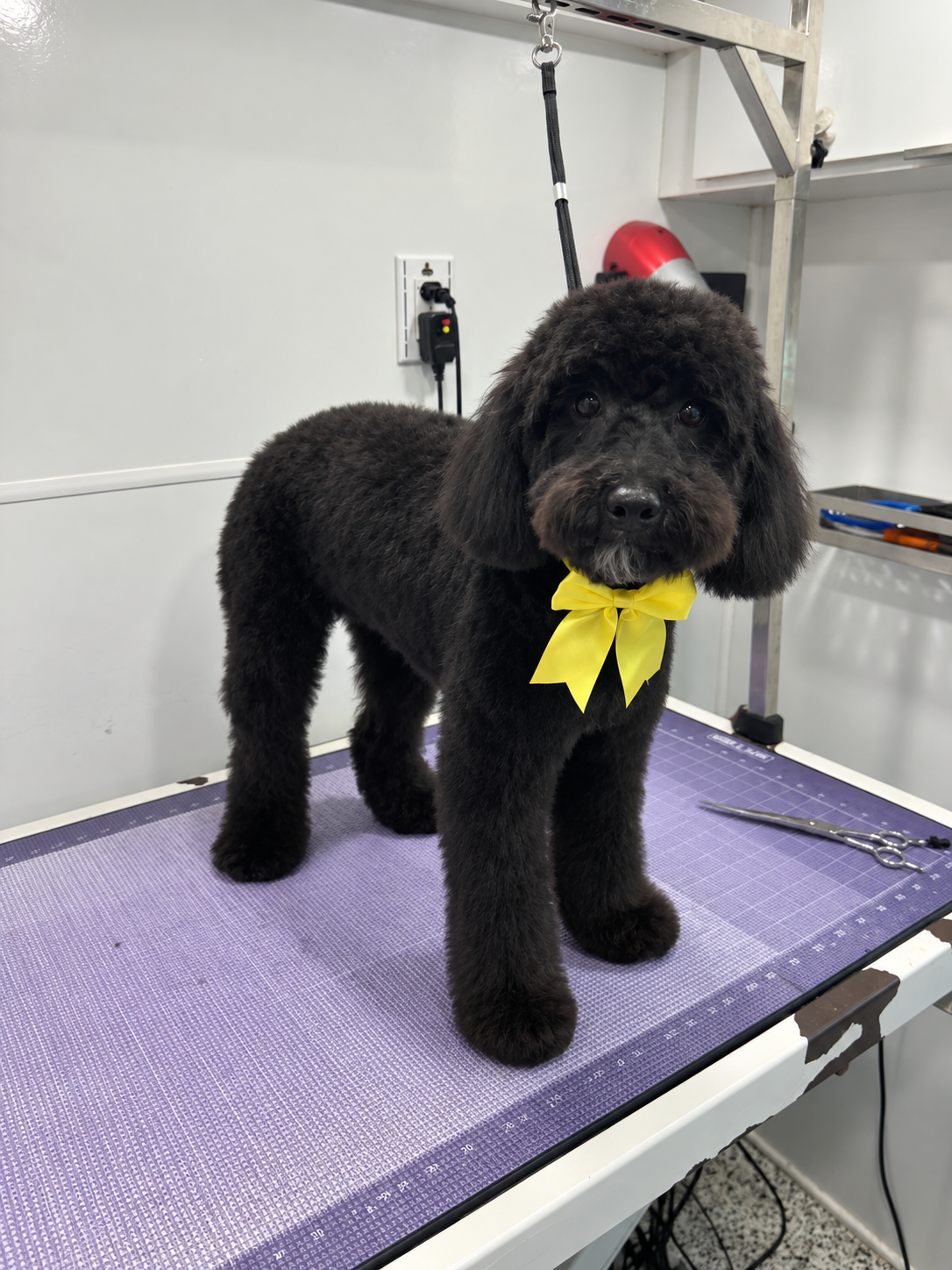
How routine ear hygiene during grooming differs from ear problems that need veterinary care — and how to tell when to consult your veterinarian.
Routine ear hygiene and ear problems are different things, and understanding the difference helps you care for your dog. Routine ear hygiene — the gentle cleaning done during grooming — keeps the outer ear clean. Ear problems, such as infections, require veterinary diagnosis and treatment. At Oscar Pets Mobile, the groomer provides routine ear cleaning as part of every package and can flag concerns, but does not treat medical conditions. This article explains the difference. We serve the area from Deltona to Kissimmee; call (407) 775-8865.
Routine Ear Hygiene
Routine ear hygiene is the regular cleaning of the outer ear to remove dirt and debris. At Oscar Pets Mobile, this is included in every grooming package. The groomer gently cleans the outer ear during the visit.
Routine ear hygiene supports overall cleanliness..
Ear Problems That Need Veterinary Care
Ear problems are medical conditions that require veterinary diagnosis and treatment. These include:
- Ear infections (bacterial or yeast).
- Inflammation or redness.
- Discharge or unusual odor.
- Pain or discomfort.
- Mites or other parasites.
These conditions cannot be treated by grooming..
Signs of an Ear Problem
Watch for signs that may indicate an ear problem:
- Persistent scratching or pawing at the ears.
- Head shaking.
- Discharge or unusual odor.
- Redness or swelling.
- Sensitivity when the ears are touched.
- Tilting the head to one side.
If you notice any of these, consult your veterinarian..
How the Groomer Helps
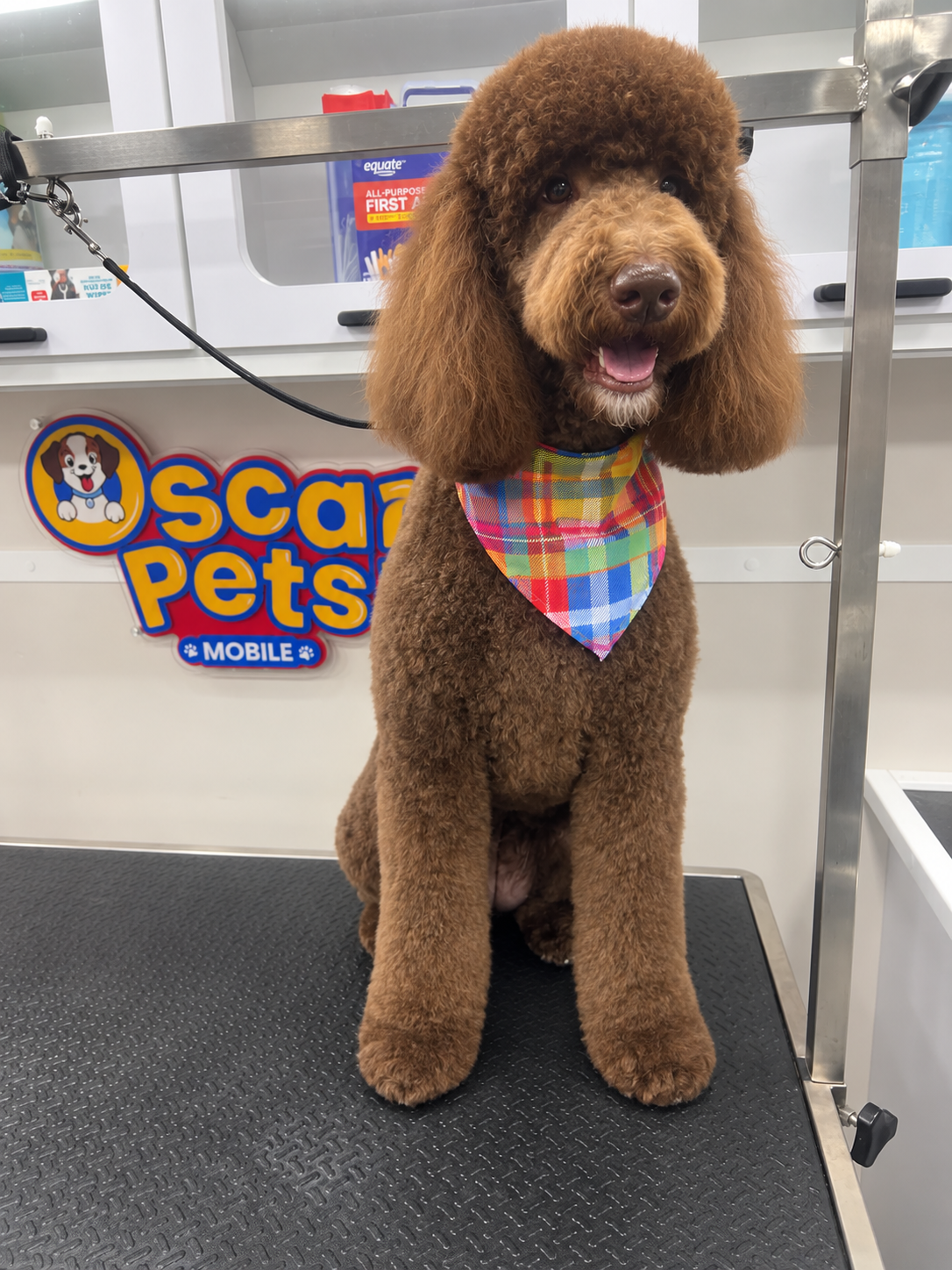
The groomer helps with routine ear hygiene by cleaning the outer ear during grooming. They can also flag concerns:
- If the groomer notices discharge, odor, or redness, they will let you know.
- The groomer may recommend veterinary care if they see signs of a problem.
- The groomer does not treat medical conditions.
This makes the grooming visit a good opportunity to catch potential ear issues early..
When to Consult Your Veterinarian
Consult your veterinarian if:
- Your dog shows signs of an ear problem (scratching, discharge, odor, redness).
- Your dog has recurring ear issues.
- The groomer flags a concern.
- Your dog seems to be in pain or discomfort.
Your veterinarian can diagnose the cause and recommend treatment. Do not rely on grooming ear cleaning to resolve medical issues. Read our guide on what to tell your groomer about your dog's ears.
Veterinary care is the right resource for ear problems.
Dogs Prone to Ear Issues
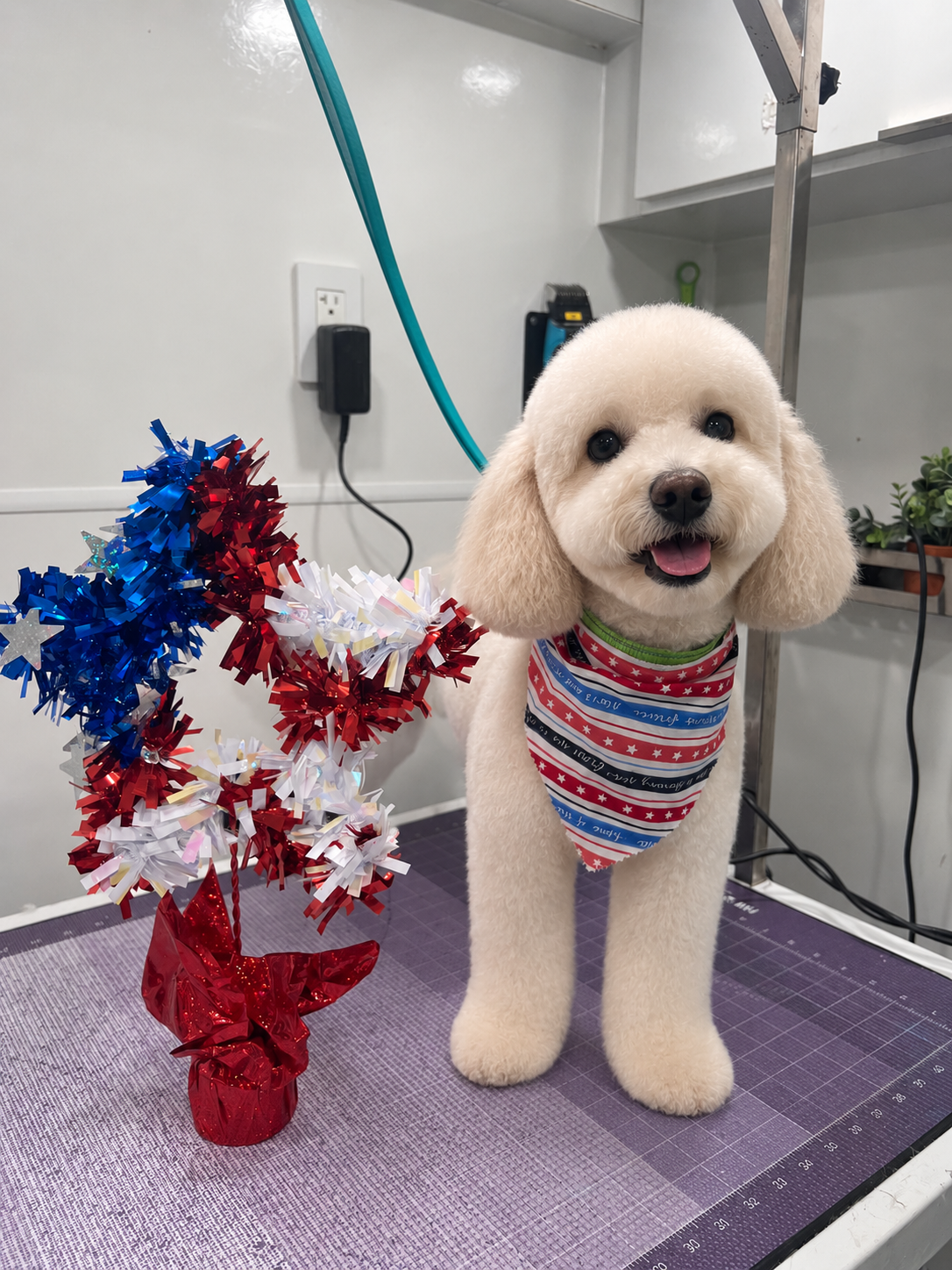
Some dogs are more prone to ear issues:
- Dogs with floppy ears, which trap moisture.
- Dogs with allergies, which can affect the ears.
- Dogs that swim frequently.
- Dogs with narrow ear canals.
For these dogs, routine ear cleaning during grooming is helpful, but it does not replace veterinary care when issues arise..
Preventing Ear Problems
While not all ear problems are preventable, some steps help:
- Regular grooming visits that include ear cleaning.
- Monitoring your dog's ears between visits.
- Keeping the ears dry, especially after swimming or bathing.
- Consulting your veterinarian at the first sign of an issue.
- Following your veterinarian's recommendations for dogs prone to ear issues.
Routine ear hygiene supports cleanliness, but it does not guarantee that problems will.
How Climate and Lifestyle Affect Ear Health in Central Florida
Central Florida's climate and lifestyle factors have specific effects on ear health that pet parents should understand. The warm, humid environment, combined with outdoor activities common in the area, creates conditions that can affect the ears in particular ways. Understanding these local factors helps you plan grooming visits and home care effectively.
Humidity is a significant factor in Central Florida. The warm, moist air can contribute to moisture retention in the ear canal, especially for dogs with floppy ears. The reduced airflow combined with humidity creates an environment where bacteria and yeast can thrive. Regular ear cleaning during grooming visits, which is included in Bath Service, Mini Grooming, and Full Grooming, helps manage this by keeping the outer ear clean and reducing debris accumulation. Read our guide on how ear cleaning fits into your dog's grooming appointment.
Many Central Florida dogs enjoy outdoor activities, including walks, play in parks, and swimming. Dogs that swim in lakes, ponds, or pools are at higher risk for ear issues, as water can enter the ear canal and contribute to bacterial or yeast growth. If your dog swims, dry the ears thoroughly afterward. The groomer can clean the ears during grooming visits, but between-visit care is important for dogs that swim regularly. Read our guide on what to tell your groomer about your dog's ears.
Allergies are another factor that can affect ear health. Central Florida's year-round growing season means pollen and environmental allergens are present throughout much of the year. Dogs with allergies may experience ear inflammation and irritation as part of their allergic response. If your dog has allergies that affect the ears, consult your veterinarian for a management plan. The groomer can keep the ears clean, but allergies require veterinary care. Read our guide on routine ear hygiene and ear problems.
The warm climate also means that dogs may be active year-round, which means regular grooming, including ear cleaning, should be scheduled consistently throughout the year. Unlike cooler regions where dogs may be less active in winter, Central Florida dogs often maintain their activity level year-round. This means regular grooming visits help maintain ear health consistently.
If you live in the Deltona-to-Kissimmee area, discuss your dog's typical activities and environment with the team. The groomer can advise on an appropriate grooming schedule and ear-care routine based on your dog's lifestyle..
Working With Both Your Groomer and Veterinarian
Working with both your groomer and veterinarian provides the most comprehensive approach to your dog's ear health. Each professional plays a different role, and understanding how they complement each other helps you provide the best care for your dog. This section explains how to coordinate between grooming and veterinary care for ear health.
The groomer's role in ear health is routine hygiene and observation. During every grooming visit, the groomer cleans the outer ear as part of the package. This is included in Bath Service, Mini Grooming, and Full Grooming. The groomer can also observe the ears during the visit and flag any concerns they notice, such as redness, discharge, or odor. If the groomer notices signs of a potential ear problem, they will let you know and recommend veterinary care. Read our guide on how ear cleaning fits into your dog's grooming appointment.
The veterinarian's role is diagnosis and treatment. If your dog has an ear infection, inflammation, or other medical condition, the veterinarian can diagnose the cause, which may involve examining the ear canal, taking samples, or performing tests. The veterinarian can prescribe medication, such as ear drops or oral medication, to treat the condition. Veterinary care is essential for ear problems, and grooming ear cleaning does not replace it. Read our guide on routine ear hygiene and ear problems.
To coordinate effectively, share information between both professionals. If the groomer flags a concern, follow up with your veterinarian. If your veterinarian diagnoses an ear condition and prescribes treatment, share that information with the groomer when you book the next grooming visit. If your veterinarian has advised against ear cleaning during grooming, let the groomer know so they can skip it. If your dog is on ear medication, the groomer can work carefully around the affected area. Read our guide on what to tell your groomer about your dog's ears.
For dogs with chronic ear issues, a coordinated approach is particularly important. Your veterinarian can develop a long-term management plan, which may include regular ear cleaning, medication, and monitoring. The groomer can support this plan by keeping the ears clean during grooming visits and flagging any changes..
Ear Care for Different Ear Types and Breeds
Different ear types and breeds have different ear-care needs, and understanding these differences helps pet parents provide appropriate care and recognize when to seek veterinary attention. This section explores the ear-care considerations for common ear types and how routine ear cleaning during grooming fits into breed-specific care.
Floppy-eared breeds, such as Cocker Spaniels, Basset Hounds, and Golden Retrievers, have ears that hang down and cover the ear canal. This reduces air circulation and traps moisture, creating an environment where wax and moisture can accumulate. These breeds are more prone to ear problems and benefit from regular ear cleaning. Routine ear cleaning during grooming — included in Bath Service, Mini Grooming, and Full Grooming — helps keep the ears clean. However, if a floppy-eared dog develops persistent ear problems, consult your veterinarian, as the anatomy may contribute to recurring issues. Read our guide on how ear cleaning fits into your dog's grooming appointment.
Breeds with erect ears, such as German Shepherds and Siberian Huskies, have ears that stand up, which allows better air circulation. These breeds may have fewer ear problems related to moisture, but they still benefit from regular ear cleaning to remove wax and debris. Routine ear cleaning during grooming keeps the ears clean and comfortable. Read our guide on what to tell your groomer about your dog's ears.
Breeds with hair in the ear canal, such as Poodles and Shih Tzus, may have additional ear-care considerations. Hair in the ear canal can trap wax and reduce air circulation. Some groomers and veterinarians discuss whether plucking the ear hair is appropriate, but this is not a routine part of ear cleaning at Oscar Pets Mobile, and the team does not perform routine ear plucking. If your veterinarian recommends ear hair management, discuss it with them. The groomer performs ear cleaning, which is the gentle cleansing of the outer ear to remove wax and debris. Read our guide on understanding individual grooming services.
Dogs that swim frequently, such as Labrador Retrievers and other water breeds, may accumulate moisture in the ears, which can contribute to ear problems. After swimming, dry your dog's ears gently with a soft cloth. Routine ear cleaning during grooming helps remove wax and debris that may have accumulated. If your dog develops ear problems after swimming, consult your veterinarian. Read our guide on what to ask when choosing a mobile dog groomer.
Dogs with allergies may be more prone to ear problems, as allergies can cause inflammation and increased wax production in the ears. If your dog has allergies and recurring ear issues, work with your veterinarian on an allergy management plan. Ear cleaning during grooming helps keep the ears clean, but it does not treat the underlying allergy. Read our guide on how to describe your dog's additional grooming needs.
Regardless of ear type, the key principle is the same: routine ear cleaning during grooming is a hygiene step that keeps the ears clean and comfortable, while ear problems — such as infections, mites, or foreign objects — require veterinary diagnosis and treatment. If you notice signs of an ear problem, such as persistent head shaking, scratching, discharge, odor, redness, swelling, or pain, contact your veterinarian. The groomer can let you know if they observe anything unusual during the visit, but a groomer cannot diagnose or treat ear conditions. Read our guide on what to discuss before your dog's Mini Grooming appointment. We serve the area from Deltona to Kissimmee. Explore our services overview and our contact page.
Frequently Asked Questions
What is the difference between routine ear hygiene and ear problems?
Routine ear hygiene is regular cleaning of the outer ear during grooming. Ear problems are medical conditions, like infections, that need veterinary diagnosis and treatment.
Can grooming ear cleaning treat an infection?
No. Ear cleaning is a hygiene service, not a medical treatment. If your dog has an infection, consult your veterinarian.
What are signs of an ear problem?
Persistent scratching, head shaking, discharge, odor, redness, sensitivity, or head tilting. Consult your veterinarian if you notice these.
Can the groomer flag ear concerns?
Yes. If the groomer notices discharge, odor, or redness, they will let you know and may recommend veterinary care.
Are some dogs more prone to ear issues?
Yes. Dogs with floppy ears, allergies, or narrow canals, and dogs that swim frequently, may be more prone to ear issues.
Ready to Discuss grooming with ear cleaning?
Want a grooming visit that includes routine ear cleaning? Contact Oscar Pets Mobile at (407) 775-8865 or send an appointment request. Our team will discuss your dog's needs and provide a personalized quote.
This article provides general grooming education and does not replace advice from your veterinarian. Grooming needs and product suitability vary by pet. Contact Oscar Pets Mobile to discuss your dog's needs and appointment availability.
Request a Grooming Appointment
Call us at (407) 775-8865 or visit our contact page to send a request.
Go to Contact Page